
Introduction
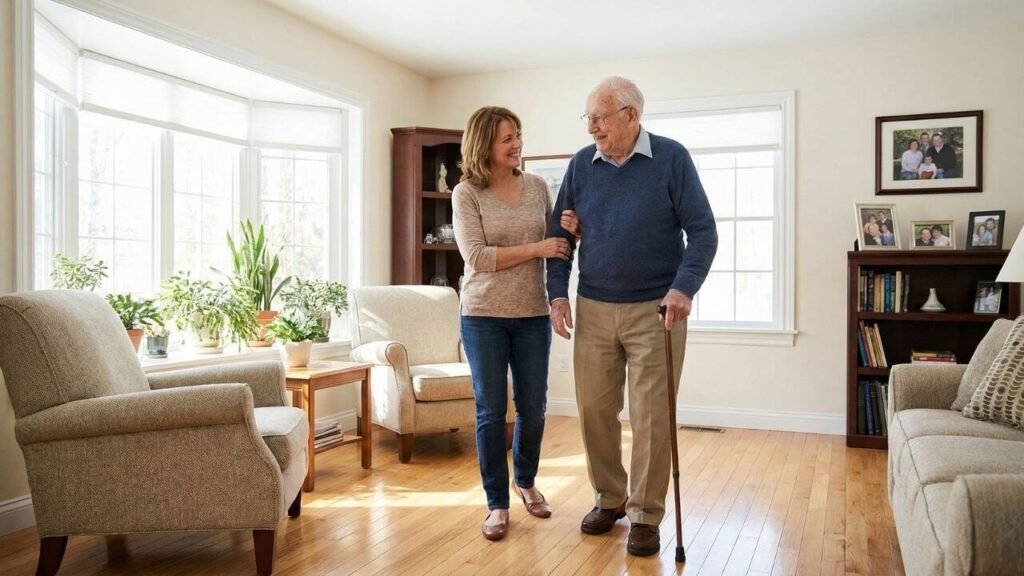
Seeing a loved one lose their physical independence is a significant life change for both of you. You might notice small signs first: a parent hesitating before stepping off a curb, a partner gripping the furniture to stand up from a deep chair, or a friend declining invitations because walking to the car is too exhausting. These aren’t just signs of aging; they are signals that the daily environment now poses a safety risk.
When a person faces limited mobility—whether from a stroke, surgery recovery, arthritis, or general frailty—their world often shrinks. Simple tasks like using the bathroom, navigating a hallway, or getting a glass of water become complex challenges. The fear of falling can be just as debilitating as the physical limitation itself, causing them to move less and weaken further.
As a family member or caregiver, your role is to bridge the gap between their current abilities and their environment. Learning how to help someone with limited mobility requires more than just physical strength; it requires observation and strategy. It involves knowing when to offer a steady arm and when to step back so they can maintain their own muscle strength.
It is a delicate balance. If you do everything for them, you risk taking away their independence and accelerating muscle loss. If you do too little, you leave them vulnerable to dangerous falls. Before any of this can begin, you often have to navigate a delicate conversation, and knowing how to talk to a parent about using mobility aids can turn a tense standoff into a shared plan. This guide provides a clinically grounded approach to support. We will cover how to modify the home to reduce hazards, how to use proper body mechanics to protect your own back, and how to offer help that preserves their dignity. We will move beyond basic advice and look at the “Three Pillars of Safety” that professional caregivers use to create a sustainable, supportive home.
Why the Home Environment is the “Danger Zone”
For most of us, home is a sanctuary where we feel safest. However, for a person with restricted movement, a typical house is full of hidden dangers. Standard architectural features that we ignore can become significant barriers.
Statistically, most falls occur within the home. This happens because the environment remains static while the person’s physical capabilities decline. As reaction times slow and balance weakens, hazards that were once manageable become dangerous. Reviewing CDC’s fall prevention checklist can help you spot these hidden dangers early.
- Flooring Changes: A transition strip between a carpeted living room and a tiled kitchen may only be half an inch high. To a healthy adult, this is invisible. To someone shuffling their feet due to Parkinson’s or weakness, it is a trip hazard that can cause a hip fracture.
- Doorways: Standard bathroom doors are often narrow. If a person uses a walker, they may have to turn the walker sideways or leave it outside the door to enter. This moment of abandoning their support is when many falls happen.
- Low Seating: Most modern sofas and toilets are designed for comfort and aesthetics, meaning they are often low to the ground. Standing up from a low position requires immense leg strength. Without it, a person may rock back and forth to gain momentum, which can lead to losing control and falling backward.
Supporting a loved one starts with a shift in your perspective. You must stop seeing the house as a place of comfort and start viewing it through the lens of accessibility. Every threshold, every rug, and every dark corner needs to be evaluated. By proactively addressing these risks, you aren’t just preventing accidents; you are giving your loved one the confidence to move around their own space without fear.
The 3 Pillars of Effective Support: Stability, Visibility, Accessibility
When professional occupational therapists assess a home, they don’t just look for loose rugs. They look at three specific categories of safety: Stability, Visibility, and Accessibility. Understanding these pillars will help you make better decisions than simply buying random equipment.
1. Stability (The Foundation)
Stability is about friction and support. Does the person have something solid to hold onto at every critical transition point? A “transition point” is anywhere they change position: sitting to standing, lying to sitting, or stepping in and out of a shower.
- The Grip Test: Walk through your loved one’s daily path. Is there a sturdy object to grab within arm’s reach at all times? Furniture surfing (holding onto sofas and tables) is a sign that stability is lacking.
- Floor Friction: Slippery socks on hardwood floors are a recipe for disaster. Stability starts from the ground up with non-slip footwear and secure flooring.
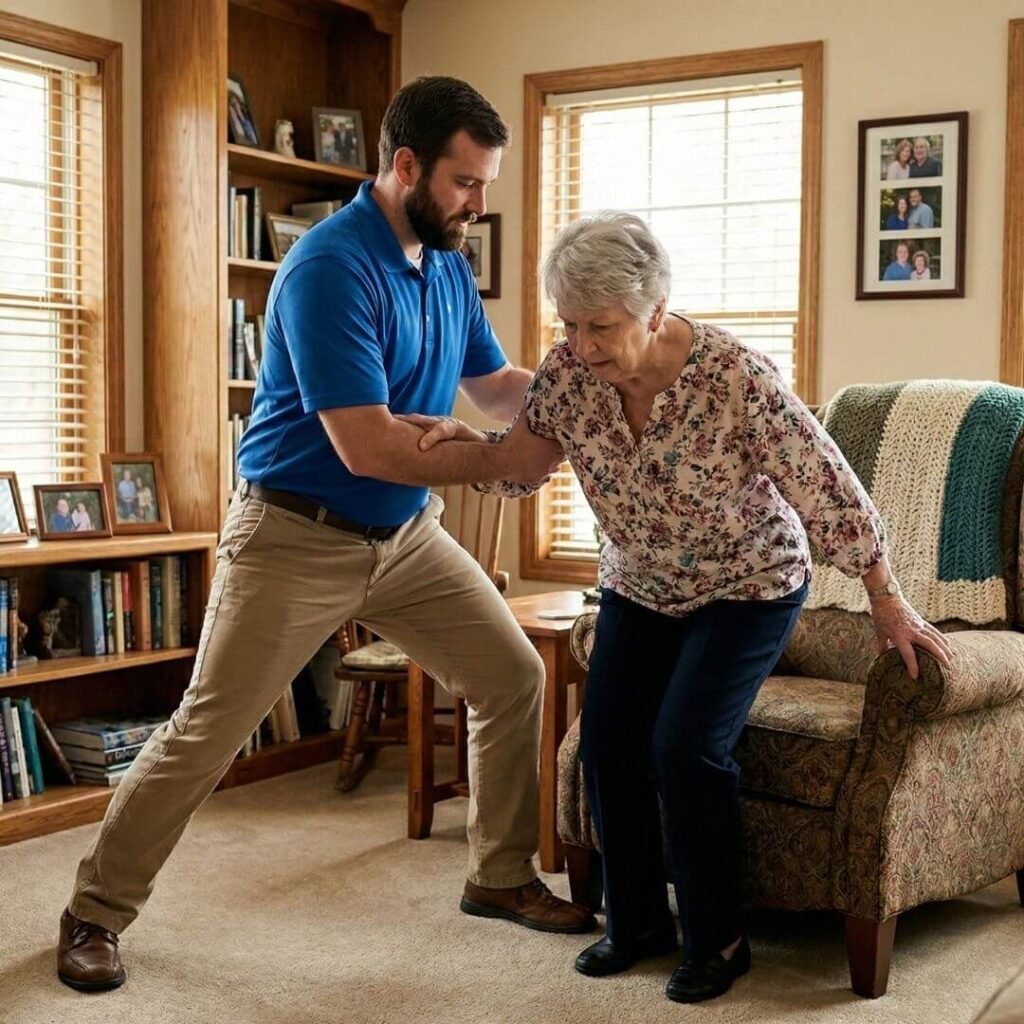
- Physical Assistance: Sometimes stability comes from you. Learning proper techniques for safely repositioning them is critical to prevent injury to both of you.
2. Visibility (The Guide)
You cannot avoid what you cannot see. As we age, our eyes require more light to process depth and contrast.
- Shadows are Enemies: Poor lighting creates shadows that can look like holes or steps, causing someone to hesitate or lose their balance.
- Contrast Matters: A white toilet on a white floor against a white wall effectively disappears for someone with poor vision. Creating visual contrast helps them navigate safely.
3. Accessibility (The Path)
Accessibility is about removing barriers. It’s ensuring that the energy your loved one has is spent on living, not on overcoming obstacles.
- The Clear Path Rule: Can they walk from the bedroom to the bathroom without having to turn sideways or step over something?
- Reach Range: Are daily essentials (water, glasses, phone) located between waist and shoulder height? Reaching too high or bending too low creates a high risk for falls.
Identifying Risky Behaviors and Common “Workarounds”
Even with the best intentions, seniors often develop “workarounds” to deal with their mobility issues. These habits might seem clever to them, but they are often dangerous. Part of supporting your loved one is gently correcting these behaviors.
The “Towel Bar Grab” This is one of the most dangerous habits. Seniors will often use a towel bar or a soap dish to pull themselves up from the toilet or stabilize themselves in the shower. These fixtures are glued or screwed into drywall; they are not designed to hold human weight. If they detach, the person falls backward with force.
As mentioned earlier, holding onto furniture for balance is common. However, chairs slide and tables tip. If your loved one relies on furniture to walk through the living room, it is a clear sign they need a walker or properly installed handrails. If you aren’t sure what they need, our guide on choosing the right mobility aid breaks down the options from canes to rollators.
The “Pile System” To avoid walking to cupboards, seniors often start piling daily items on stairs, bedside tables, or the floor. These “piles” quickly become trip hazards. Supporting them means organizing their space so essentials are accessible without creating clutter. These unsafe workarounds are often a form of quiet resistance, so it helps to understand why seniors resist mobility devices and how to help them accept the tools that would keep them safe.
Creating Safe Pathways: Flooring and Footwear Solutions
Flooring is the single biggest factor in fall prevention. You don’t necessarily need to rip out your carpets, but you do need to modify how the floor interacts with your loved one’s feet.
Secure the Rugs Throw rugs are the number one trip hazard in the home. The best advice is to remove them entirely. If your loved one insists on keeping them for warmth or aesthetics, you must use double-sided carpet tape or heavy-duty non-slip underlays. Even a corner that curls up by half an inch can catch a toe and cause a fall.
Surface Texture In areas like the kitchen or bathroom, water turns smooth tile into an ice rink.
- Anti-Slip Treatments: There are chemical treatments available that etch microscopic grooves into tile/stone floors, increasing traction without changing the look of the floor.
- Non-Slip Mats: Use long, non-slip rugs and mats in high-traffic areas. Ensure they have a rubberized backing that acts like a brake against the floor.
Footwear Support Sometimes the solution isn’t the floor, but the feet. Encourage your loved one to wear supportive house shoes with rubber soles. Avoid floppy slippers that can slide off the heel, and strictly avoid walking in socks, which offer zero traction on wood or tile.
Bathroom Support: Modifying the Most Hazardous Room
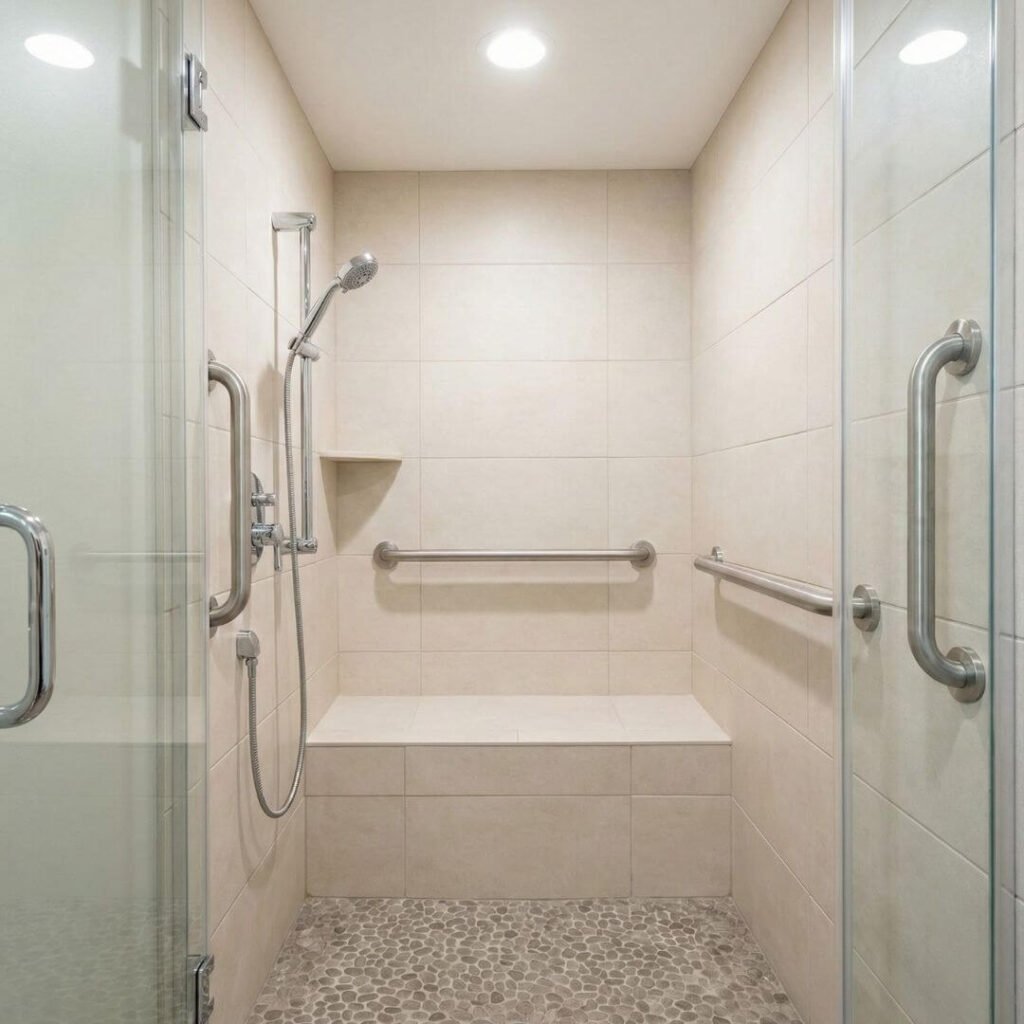
The bathroom is the most dangerous room in the house because it combines water, hard surfaces, and complex movements (sitting, standing, stepping). Making this room safe is your highest priority as a supportive caregiver. For a full breakdown, read our guide on essential senior-friendly bathroom upgrades.
Raising the Profile
Standard toilets are often too low for someone with limited mobility. The physical effort required to stand up from a low squat can cause a drop in blood pressure (orthostatic hypotension), leading to dizziness and falls.
- Toilet Risers: These add 3-5 inches of height to the existing toilet bowl, making sit-to-stand transfers significantly easier.
- Toilet Safety Rails: These frames fit around the toilet, providing sturdy armrests that allow the user to push off with their arms, reducing strain on weak legs.
Bathing Safely
Stepping over a high bathtub wall is a massive hurdle.
- Shower Chairs: A simple shower chair allows the person to bathe while seated, eliminating the fatigue and balance risks of standing on a wet surface.
- Transfer Benches: For tub-shower combos, a transfer bench straddles the tub wall. The user sits on the outside, swings their legs over, and slides in. This completely removes the need to “step over” the wall.
- Handheld Showerheads: These are essential. They allow the user to control the water flow while seated, preventing them from having to stand and reach for a fixed showerhead.
Improving Visibility with Strategic Lighting
Lighting is often overlooked, but it is the cheapest and most effective safety upgrade you can make to support someone with failing eyesight.
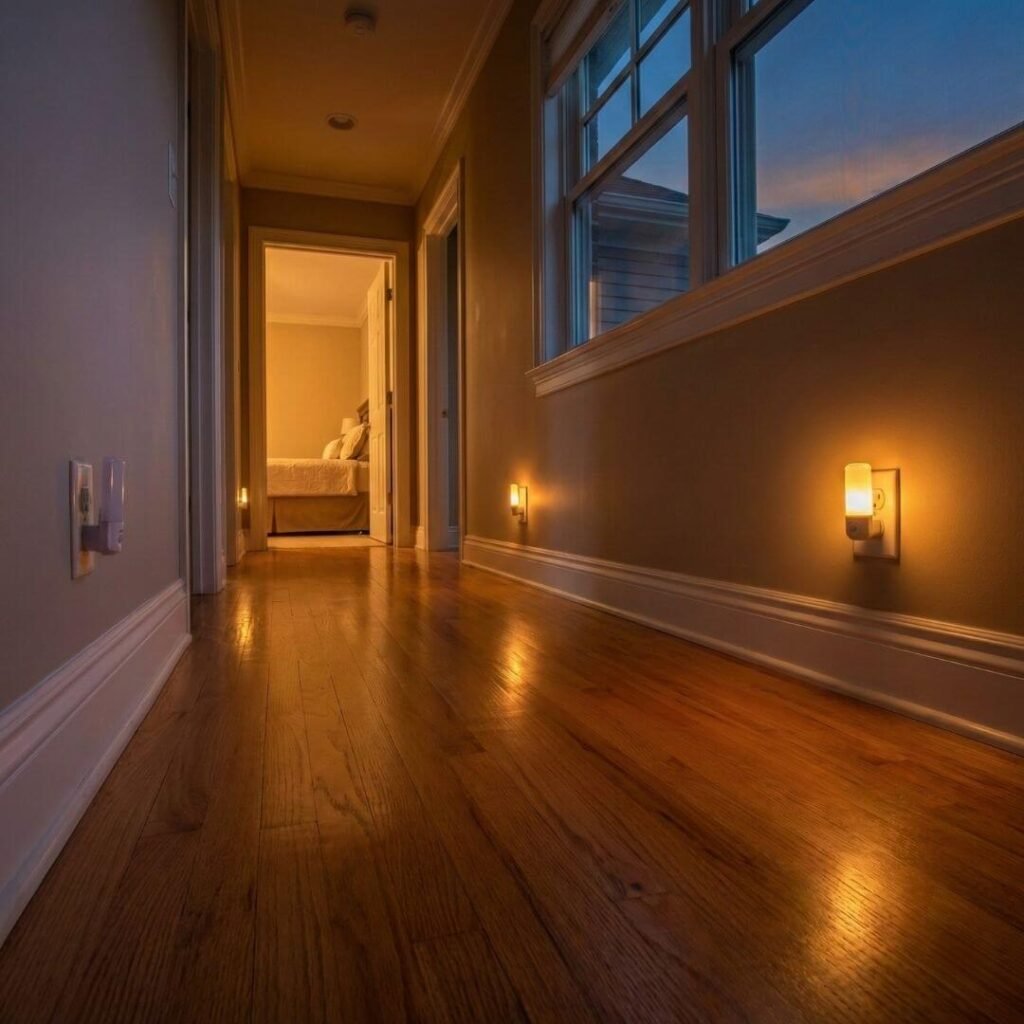
Motion Sensor Night Lights Falls frequently happen at night when seniors get up to use the restroom. Fumbling for light switches in the dark is dangerous. Install plug-in motion sensor lights along the path from the bedroom to the bathroom. These provide immediate visual cues without requiring any action from the senior.
Task Lighting General overhead lighting often isn’t enough. Add specific “task lighting” to areas where they do things:
- Bedside Lamps: Touch-activated lamps are easier to operate than those with tiny twisting knobs.
- Closet Lights: Battery-operated LED strips in closets help them distinguish between black and navy clothes without straining their eyes.
- Kitchen Under-Cabinet Lighting: This illuminates the countertop work surface, making it safer to handle knives or pour hot liquids.
Bulb Temperature Replace soft, yellow (warm white) bulbs with “daylight” or “cool white” bulbs (around 4000K-5000K). This whiter light provides better contrast and makes it easier to see edges and obstacles.
Specialized Support for Severe Mobility Issues & Dementia
Supporting a loved one becomes more complex when their mobility is severely restricted or compounded by cognitive issues like dementia. You can find more helpful tips for aging in place from the National Institute on Aging to help navigate these complexities.
Helping with Physical Transfers
If your loved one cannot stand on their own, you may need to assist them physically. This puts you at risk of back injury.
- Body Mechanics: Always lift with your legs, not your back. Keep the person close to your center of gravity.
- Gait Belts: A gait belt is a sturdy canvas strap that goes around the senior’s waist. It gives you a safe, secure handle to hold onto, rather than pulling on their arms or clothes, allowing you to safely reposition seniors without causing injury.
Cognitive Decline and Wandering
For those with dementia, mobility can actually be a risk factor if they are prone to wandering.
- Visual Cues: Use contrasting colored tape to mark “safe paths” or highlight step edges.
- Disguising Exits: Sometimes, placing a black rug in front of a door can prevent a person with dementia from exiting, as they may perceive the dark spot as a hole. When a loved one is also managing a serious or terminal diagnosis, the priorities shift again, and our guide to mobility support for seniors with advanced illness walks you through providing comfort and safe movement in these situations.
- Bed Alarms: If they try to get up without assistance, a bed alarm can alert you, while placing bedside fall mats next to the bed can cushion the impact if a fall does occur.
Providing Emotional Support and Preserving Independence
We have talked a lot about grab bars and lighting, but the emotional aspect of limited mobility is just as critical. Losing the ability to move freely is a profound loss. It can lead to depression, anxiety, and anger.
Validate Their Feelings Don’t dismiss their frustration with toxic positivity (“At least you have your health!”). Acknowledge that it sucks. Say things like, “I know it must be frustrating to not be able to walk to the garden like you used to.”
Encourage Autonomy Ask, don’t command. Instead of saying, “Sit here, I’ll bring you your dinner,” try, “Would you like to sit at the table or have a tray by your chair?” Giving them choices, even small ones, helps restore a sense of control.
Patience is Key Tasks will take longer. Dressing might take 20 minutes instead of 5. Walking to the car might take 10. Rushing a senior with limited mobility increases their anxiety and their risk of falling. specific patience is a safety feature.
Frequently Asked Questions
1. What are the best home safety modifications for limited mobility?
The most impactful modifications are usually in the bathroom, such as installing grab bars, a raised toilet seat, and a non-slip shower mat. Beyond the bathroom, removing throw rugs, improving lighting with motion sensors, and ensuring clear pathways through the house are essential first steps.
2. How can I help an elderly parent with mobility issues move around safely?
Start by encouraging them to use appropriate mobility aids like canes or walkers rather than holding onto furniture. Ensure they wear non-slip footwear inside. If you need to physically assist them, consider using a gait belt to steady them without pulling on their arms or shoulders.
3. What are the easiest techniques for dressing someone with limited mobility?
Dress the “weak” side first and undress the “strong” side first. This reduces the range of motion required for the affected limb. Choose adaptive clothing with elastic waistbands, Velcro closures instead of buttons, and wider openings to make the process less strenuous for both of you.
4. How do I support a loved one with limited mobility without reducing their independence?
Focus on “enablement” rather than “taking over.” specialized tools—like button hooks, sock aids, or reacher grabbers—allow them to perform tasks themselves. Our guide to the best grabber tools for limited mobility compares options that make everyday reaching, dressing, and tidying possible without help. Only step in when safety is at risk. Ask them what they feel comfortable doing and respect their desire to try, even if it takes longer.
5. What tools or devices are essential for caring for someone with limited mobility?
Essential tools include a transfer bench for the shower, a raised toilet seat, a gait belt for physical assistance, and a reacher grabber for picking up items. For monitoring, a simple baby monitor or a medical alert system can provide peace of mind when you aren’t in the room.
Final Thoughts
Learning how to help someone with limited mobility is a journey, not a weekend project. It requires ongoing observation and adaptation. What works today might need to be adjusted next month as their needs change.
Remember that you are not just a “fixer” of problems; you are their partner in this new stage of life. By securing the environment and approaching their care with patience and respect, you aren’t just preventing falls—you are preserving their quality of life. Take it one room at a time, one modification at a time, and don’t hesitate to reach out to professionals like occupational therapists for personalized advice. You are doing important work, and your support makes all the difference.
Medical Disclaimer: The information provided on this website is for educational purposes only and should not replace professional medical advice. Always consult your physician or qualified healthcare provider regarding any medical condition or treatment decisions.
