

Introduction
As we age, the concept of “home” often takes on a deeper meaning. It is not just a place where we sleep; it is a repository of memories, a sanctuary of comfort, and, most importantly, a symbol of our autonomy. For many older adults, the desire to remain in their own homes—often called “aging in place”—is strong. The benefits of independent living for seniors extend far beyond the convenience of staying in a familiar neighborhood. They touch on the fundamental human need for self-determination.
Maintaining independence is closely linked to better mental health, higher self-esteem, and a greater sense of purpose. When seniors feel they have control over their daily lives, from simple choices like what to eat for breakfast to social decisions like when to host family, they often experience lower rates of depression and anxiety. This “locus of control” is vital for emotional resilience. It reinforces the belief that you are still the author of your own life, rather than a passenger in it.
However, staying independent requires foresight. It involves acknowledging that our physical needs change over time and that our environment must adapt to support us. Changes such as reduced night vision, slower reaction times, or minor balance issues are normal parts of aging. If the home environment does not change to meet these new realities, it can become a source of stress rather than comfort.
This guide explores the profound emotional and psychological advantages of maintaining your independence and provides practical steps to ensure your home remains a safe harbor for years to come.
The Psychology of Independence
Why is the drive to live on one’s own terms so powerful? Psychologists often point to the concept of “self-efficacy”—the belief in one’s ability to succeed in specific situations. For older adults, self-efficacy is not about running marathons; it is fueled by the ability to manage daily life without excessive reliance on others.
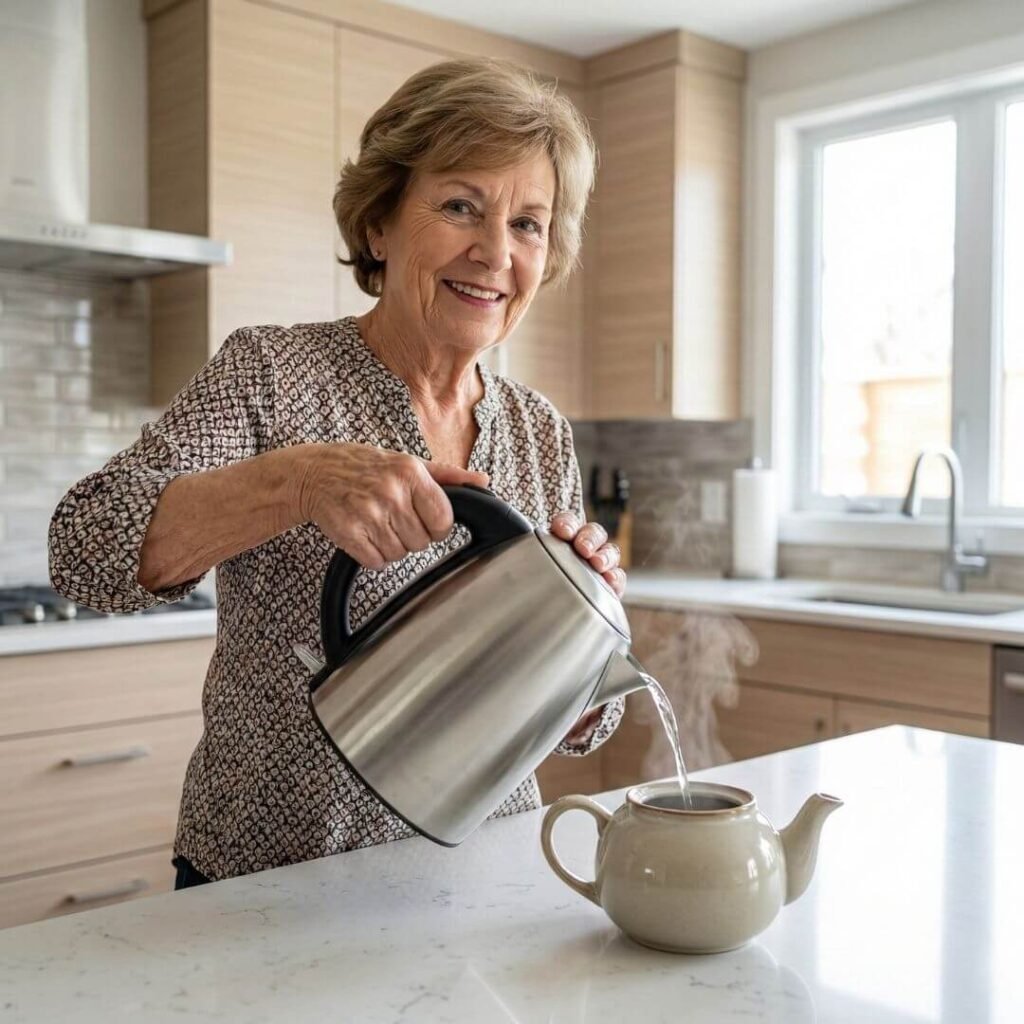
The Power of Small Wins When an older adult navigates their kitchen to make a cup of tea or walks safely to their garden to water the plants, it reinforces a sense of competence. These small, daily actions serve as “micro-wins.” They send a signal to the brain that the individual is capable and functional.
- Example: A senior who can safely bathe themselves using a shower chair retains a sense of privacy and dignity. This autonomy directly combats feelings of depression.
The Cycle of Decline Conversely, the loss of autonomy can trigger a dangerous cycle. If a senior feels unsafe in their own home, they often begin to restrict their activity. This is known medically as “fear-avoidance behavior.”
- The Stove: A senior might stop cooking hot meals because they are afraid of leaving the burner on. This leads to poor nutrition.
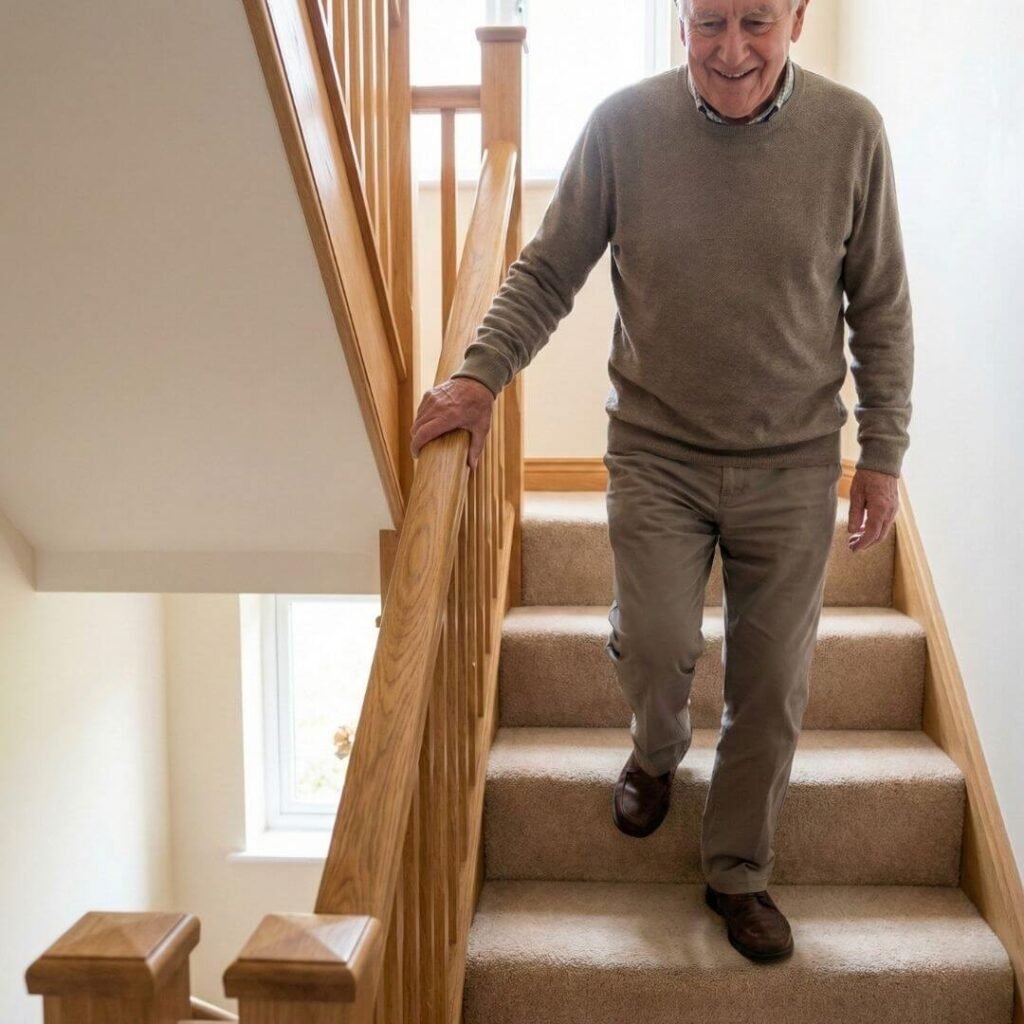
- The Stairs: A senior might stop going upstairs to the bedroom because the railing feels loose. They may start sleeping on the couch instead.
This “self-limiting behavior” ironically accelerates physical decline. When a person stops using the stairs, their leg muscles weaken (atrophy). This weakness makes them more likely to fall in the future. It also leads to feelings of helplessness and anxiety. In clinical practice, I often see this progression begin subtly — a single avoided staircase or skipped activity that gradually turns into measurable deconditioning.
Understanding that maintaining control is a psychological necessity, not just a logistical preference, changes how we approach aging. It shifts the conversation from “where should you live?” to “how can we support you to live where you thrive?”
The Pillars of Senior Well-being
To truly understand the value of remaining in your own home, we must look at the three core pillars that support a senior’s quality of life: Emotional Health, Social Connection, and Physical Agency.
1. Emotional Health and Dignity There is an inherent dignity in making one’s own choices. Even small decisions contribute to a strong sense of identity. When you choose what to wear, what to cook for dinner, or when to wake up, you are reinforcing your autonomy.
- Example: A senior living in a facility might have set mealtimes. A senior living at home can choose to have breakfast at 10:00 AM if they wish. This small freedom reduces feelings of helplessness.
When seniors age in place, they retain the narrative of their lives. They are not “patients” or “residents”; they are homeowners, neighbors, and community members. This identity acts as a buffer against the loss of self-worth that can sometimes accompany aging.
2. Social Connection and Community Independence does not mean isolation. In fact, staying in a familiar community often helps seniors maintain their social networks. Neighbors, local shopkeepers, and long-standing friends form a “village” of support. Moving to a new environment can accidentally sever these subtle but vital ties.
- Example: A quick chat with a mail carrier or a weekly coffee date with a next-door neighbor provides essential social contact. These familiar faces provide a sense of belonging that is hard to replicate quickly in a new setting.
Aging in place allows seniors to continue hosting family, participating in local events, and maintaining the social roles—such as “the grandmother who hosts Sunday dinner”—that give their lives texture and meaning.
3. Physical Agency and Longevity Research suggests that seniors who maintain a level of independence often remain physically active for longer. The daily routines of maintaining a home act as a “natural gym.”
- Example: Light cleaning, such as dusting or folding laundry, keeps arm muscles engaged. Walking to the mailbox or watering plants improves balance and leg strength.
These activities are known medically as “functional fitness.” They keep joints mobile and muscles working without the need for structured exercise classes. Staying mobile as you age is critical, and a home environment that encourages safe movement helps delay frailty.
The Fear of “Becoming a Burden”
One of the most common stressors for older adults is the fear of becoming a burden to their children or caregivers. This fear often stems from a deep desire to remain in their own home. Unfortunately, it can lead to dangerous secrecy.
Many seniors hide early warning signs of physical decline to avoid worrying their families. They might touch walls and furniture for balance while walking (a habit often called “furniture surfing”) or limit how much water they drink to avoid rushing to the bathroom at night. They may even conceal a “near-miss” fall or a stumble on the stairs, fearing that admitting to it will force them to move.
This secrecy creates a false sense of security. By hiding these struggles, small, fixable problems are allowed to grow into major safety risks. A stumble on the stairs today could result in a serious injury tomorrow if the underlying issue—like poor lighting or a loose railing—is not fixed.
The goal of independent living is not to struggle alone. It is to set up the environment so that the struggle is removed entirely. We must shift the mindset from “hiding limitations” to “adapting the home.”
Acknowledging that true independence requires a safe environment is the first step. By modifying the home, seniors effectively replace the need for human help with mechanical help.
- Instead of needing a steady arm to climb the stairs, installing a sturdy second handrail provides that support permanently.
- Instead of needing help to stand up from the toilet, a raised seat or safety frame allows a senior to do it on their own strength.
A safe home means fewer emergency calls, less worry for family members, and more confidence for the senior. It is a proactive stance that says, “I am taking charge of my safety so I can keep my freedom.”
Adapting the Home to Preserve Independence
To reap the emotional rewards of independence, the physical environment must be secure. A home that was perfect for a 40-year-old may present hidden hazards for an 80-year-old. The following modifications are not just “safety features”; they are tools of empowerment.
1. Lighting: The Foundation of Confidence
Vision changes are a natural part of aging, but they shouldn’t limit where you can go in your own house. Dim lighting creates shadows that can look like obstacles, causing hesitation and anxiety.
- Ambient Lighting: Ensure every room has bright, even light that reaches the corners.
- Pathways: Install motion-sensor night lights in hallways and bathrooms. This ensures that if you get up at night, you are never walking into darkness.
- Task Lighting: Add focused light under kitchen cabinets or beside reading chairs to reduce eye strain.
Proper illumination does more than help you see; it helps you feel confident. When you can see clearly, you move more surely, reducing the risk of falls and the fear that comes with them.
2. Flooring: Building a Stable Base
The floor is the foundation of your mobility. Slick tiles, loose throw rugs, and uneven thresholds are the enemies of independence.
- Remove Trip Hazards: The easiest step is often the most effective. Remove loose throw rugs or secure them with heavy-duty double-sided tape.
- Consistency: Ideally, flooring should be consistent from room to room to avoid transition strips that can catch a toe or a walker wheel.
- Non-Slip Surfaces: In areas like the kitchen or entryway, opt for matte-finish flooring or slip-resistant mats.
When you trust the ground beneath you, you are more likely to stay active within your home. For more detailed strategies on making your home safer, consider a room-by-room audit.
3. The Bathroom: Privacy and Safety
The bathroom is often the place where independence is most cherished and most threatened. It is a private space, and needing help here can feel like a significant loss of dignity. However, it is also a high-risk area for falls due to water and hard surfaces.
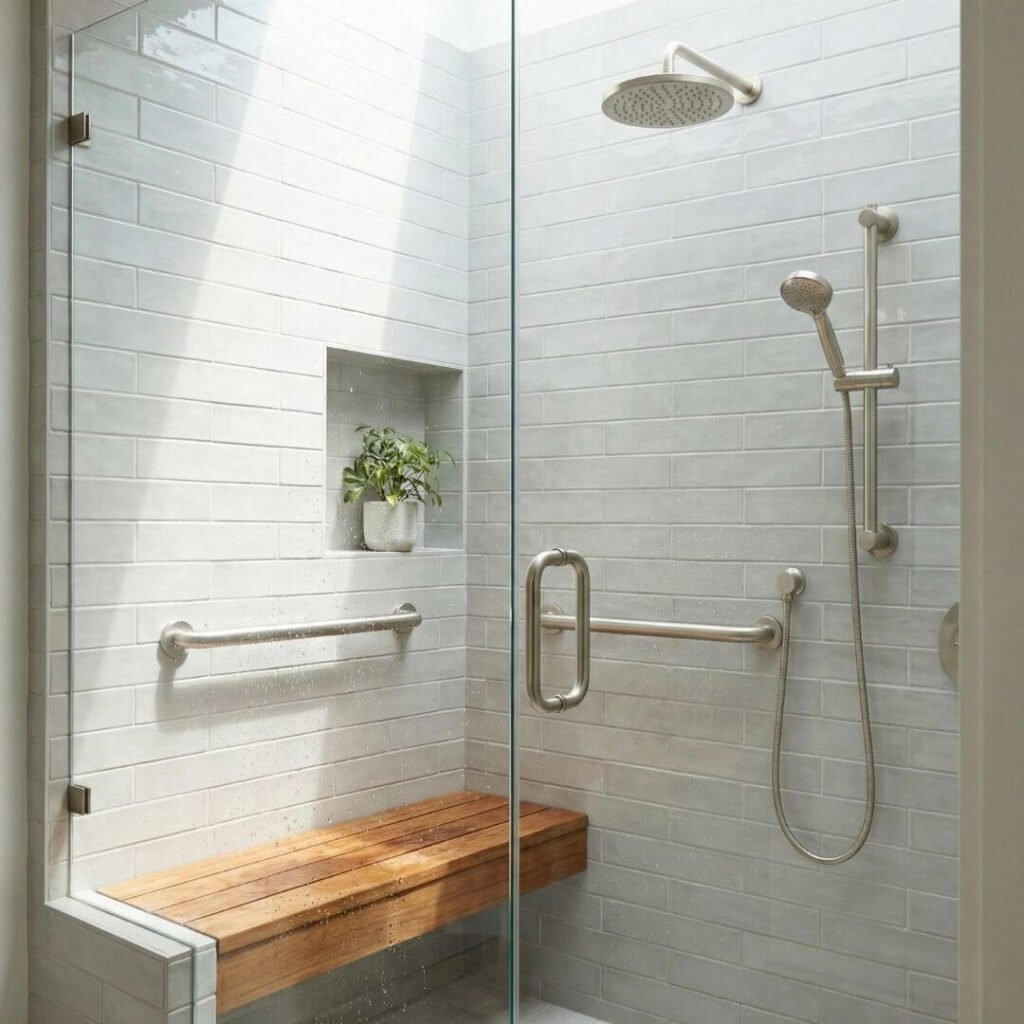
- Grab Bars: These are not just for hospitals. Modern grab bars come in stylish finishes and provide essential stability when stepping into a shower or lowering onto a toilet.
- Seating: A shower chair allows you to bathe without the fatigue of standing, turning a tiring chore into a relaxing experience.
- Toilets: Raised toilet seats or safety rails can make the difference between needing assistance and managing on your own.
By creating a senior-friendly bathroom, you protect your privacy and ensure that this daily necessity remains safe and manageable.
Cognitive Changes
While physical safety is crucial, we must also consider the role of cognitive health. For seniors experiencing mild cognitive impairment or early-stage memory loss, staying in their own home is often still possible, but it requires a different type of preparation.
Routine as an Anchor Structure is the key to reducing confusion. A predictable daily routine creates a reassuring rhythm that lowers anxiety.
- Time-Blocking: Try to eat meals, take medications, and go to bed at the exact same time every day.
- Visual Aids: Place a large, easy-to-read whiteboard in a central location like the kitchen. Write the day’s date, weather, and appointments in big, clear letters. This provides an immediate reference point if memory slips.
Technology as a Silent Caregiver Modern technology can provide a safety net that allows for autonomy despite memory lapses. These tools act as “background support” to prevent accidents before they happen:
- Automatic Pill Dispensers: These devices lock medication away and only unlock the specific dose at the scheduled time. This prevents the common danger of accidentally taking a pill twice.
- Stove Shut-Off Sensors: These smart sensors detect if a burner has been left on without motion in the kitchen for a set period and turn it off automatically, removing a major fire risk.
- Voice Assistants: Simple smart speakers can be programmed to give verbal reminders, such as “It is 12:00 PM, time for lunch,” or allow a senior to call for help using only their voice.
Combatting Isolation Mental stimulation is vital for brain health. Isolation can actually speed up cognitive decline. Independent living should never mean “isolated living.” To keep the brain resilient, build social “checkpoints” into the week. This could be a scheduled daily phone call with a family member, a weekly visit to a senior center, or simply working on a daily crossword puzzle to keep neural pathways active.
Frequently Asked Questions
1. What is independent living for seniors?
Independent living refers to a housing arrangement designed exclusively for seniors, generally those aged 55 and over. It can refer to staying in one’s own long-term home (“aging in place”) or moving to a community that provides convenience services like landscaping and social activities but minimal medical care. The focus is on a lifestyle of autonomy, where the senior manages their own daily life.
2. How much is independent living for seniors?
The cost varies wildly depending on whether you remain in your own home or move to a retirement community. Staying at home may cost less upfront but requires budgeting for maintenance and potential home modifications (like ramps or stairlifts). Independent living communities can range from $1,500 to over $4,000 per month, depending on location, amenities, and the size of the apartment.
3. How do seniors pay for independent living?
Most independent living is paid for “out of pocket” using personal savings, pensions, social security benefits, or income from selling a previous home. Long-term care insurance usually covers assisted living or nursing care, but rarely covers “independent living” rent. However, some policies may cover home modifications that allow you to stay independent.
4. What are the benefits of living in a senior community?
Senior communities offer a balance of privacy and socialization. You have your own apartment but access to shared dining, gyms, and organized events. This can be excellent for preventing isolation. It also removes the burden of home maintenance—no more mowing lawns or fixing leaky roofs—allowing you to focus on enjoying your time.
5. What is the difference between assisted living and independent living?
The main difference is the level of care. Independent living is for seniors who can manage their daily activities (bathing, dressing, medication) without help. Assisted living provides support for these “Activities of Daily Living” (ADLs). Independent living focuses on lifestyle and convenience; assisted living focuses on care and safety supervision.
Final Thoughts
The decision to stay independent as you age is a brave and life-affirming choice. It is a declaration that you value your freedom, your history, and your place in the community. However, true independence is not about stubbornness; it is about adaptation.
By recognizing the emotional weight of your autonomy and taking practical steps to secure your environment, you are building a future where you can thrive. Whether it’s installing better lighting, clearing the floors, or simply acknowledging that you might need a different routine, every positive change is an investment in your freedom.
There are many resources available to help you on this journey. The National Institute on Aging offers excellent guides on planning for aging in place, and the CDC provides comprehensive checklists for fall prevention.
Your home is your castle. With a little preparation, it can remain your stronghold of independence for years to come.
Medical Disclaimer: The information provided on this website is for educational purposes only and should not replace professional medical advice. Always consult your physician or qualified healthcare provider regarding any medical condition or treatment decisions.