

Affiliate Disclaimer: This article contains affiliate links. As an Amazon Associate, Mobility With Ease may earn a small commission from qualifying purchases at no additional cost to you.
Introduction
Sleeping in a lift chair is very different from sitting in one to watch television or take a short nap. While many lift chairs are designed to provide comfort and assist with standing and sitting, only certain models offer the positioning, stability, and support needed for safe overnight sleep. A chair that feels comfortable for an hour in the evening may not adequately support the body for six or eight hours at night.
For some seniors, sleeping in a lift chair can be a practical and even necessary solution. It may help improve breathing comfort, reduce nighttime reflux symptoms, or make getting up to use the bathroom safer and less strenuous. Others find that joint pain, stiffness, or weakness makes lying flat in a bed uncomfortable, and a properly positioned lift chair can provide relief that improves sleep quality.
However, sleeping in a lift chair is not automatically safer or more comfortable. The wrong chair—or poor positioning—can lead to pressure buildup, misalignment of the spine, increased hip or knee strain, and disrupted circulation. Over time, these issues can contribute to discomfort, poor sleep, or skin breakdown, especially for seniors who spend extended periods in one position.
This guide focuses specifically on the best lift chair for sleeping, not just casual reclining. We’ll walk through what actually matters for overnight use, explain when sleeping in a lift chair makes sense, and highlight options designed to support comfort, safety, and mobility throughout the night. The goal is to help you make an informed decision based on real-world needs rather than marketing language alone.
Why Sleeping in a Lift Chair Requires Special Consideration
Sleeping in a lift chair places very different demands on the body than sitting or reclining for short periods. Overnight use means the chair must support continuous weight distribution, stable alignment, and micro-adjustability for many uninterrupted hours. A lift chair that feels comfortable for an evening may fail to provide the support needed to maintain circulation, joint positioning, and skin integrity throughout the night.
One of the most important considerations is spinal and pelvic alignment. When a lift chair does not recline evenly—or when the backrest and footrest move together rather than independently—the hips can flex excessively, the lower back may lose support, and pressure can build at the sacrum and tailbone. Over time, this can contribute to stiffness, back pain, or nerve irritation, especially for seniors with arthritis, spinal stenosis, or prior orthopedic surgery.
Pressure management is another critical factor, particularly for older adults who are less mobile or spend extended time in one position. Prolonged pressure at the hips, heels, or lower back increases the risk of skin breakdown and pressure injuries. Lift chairs intended for overnight sleep should allow subtle position changes and provide enough surface support to reduce concentrated pressure points. This is especially important for seniors with diabetes, vascular disease, or a history of pressure ulcers.
Breathing and circulation also deserve special attention. Some seniors benefit from sleeping in a more elevated position due to conditions like sleep apnea, acid reflux, or congestive heart failure. However, elevation alone is not enough. The chair must support the torso and legs in a way that promotes airflow and venous return without forcing the neck forward or allowing the body to slide downward during sleep. Poor positioning can actually worsen breathing efficiency or lead to leg swelling overnight.
Safety is another often overlooked concern. Seniors who sleep in lift chairs may need to adjust their position during the night or get up to use the bathroom. Chairs that lack stable arm support, smooth controls, or predictable movement patterns can increase fall risk, especially when someone is groggy or moving in low light.
For readers still comparing lift chair styles more broadly, our Best Lift Chairs for Seniors (2025 Guide) explains how different mechanisms, recline types, and chair designs affect comfort and mobility during daytime use. This guide, however, focuses specifically on the features that matter when a lift chair is used as a sleeping surface, where the margin for error is much smaller.
Sleeping in a lift chair can be helpful—and sometimes necessary—but it requires a chair that is designed to support the body safely over many hours, not just one that feels comfortable at first sit.
Doctor’s Note: When Sleeping in a Lift Chair Makes Sense

From a clinical perspective, sleeping in a lift chair is best viewed as a functional adaptation, not a default recommendation. In practice, it is most appropriate when traditional bed sleeping becomes difficult or unsafe due to medical, mobility, or pain-related limitations.
Seniors may benefit from sleeping in a lift chair when lying flat worsens breathing, reflux, or discomfort, or when repeated nighttime transfers increase fall risk. Elevation can help some individuals with orthopnea, mild sleep-disordered breathing, or post-surgical pain sleep more comfortably. For others, the ability to stand safely from a seated position during the night—rather than transferring in and out of bed—can significantly reduce injury risk.
However, overnight use introduces risks that are often underestimated. Prolonged time in one position increases pressure on vulnerable areas such as the sacrum, hips, lower back, and heels. Without proper positioning and surface support, this can contribute to joint stiffness, nerve compression, impaired circulation, and skin breakdown. These risks are higher for seniors with diabetes, limited mobility, poor sensation, or a history of pressure injuries.
This is why chair design and positioning matter far more than brand recognition alone. Chairs intended for sleeping should allow independent adjustment of the back and leg rests, enabling small changes in posture throughout the night. Subtle adjustments help redistribute pressure, reduce sustained compression, and improve comfort without fully waking the user. Adequate lumbar support, seat depth, and footrest length also play a critical role in maintaining alignment over several hours.
It’s also important to recognize that sleeping in a lift chair should be reassessed periodically. What works during recovery from surgery or during a flare of joint pain may not be appropriate long-term. Caregivers and clinicians should monitor for signs of skin irritation, increased stiffness, morning pain, or changes in sleep quality, and adjust positioning—or return to bed sleeping—when appropriate.
When selected thoughtfully and used correctly, a lift chair can be a valuable tool for overnight rest. When chosen poorly or positioned incorrectly, it can quietly create new problems. The goal is not just comfort at bedtime, but safe support across the entire night.
Best Lift Chairs for Sleeping (2026 Picks)
Rather than ranking chairs from best to worst, the recommendations below are organized by specific sleep-related needs. Each pick serves a different purpose and may be appropriate for different seniors.
Best Lift Chair for Overnight Sleeping (Overall Pick)
MCombo Power Lift Recliner Chair with Extended Footrest (Fabric 7283)
This chair offers one of the most balanced designs for seniors who plan to sleep in a lift chair on a regular basis. The extended footrest helps reduce knee bend, while the near-flat recline supports a more neutral sleeping position overnight.
Pros:
- Extended footrest reduces pressure behind the knees
- Near-flat recline suitable for extended sleep
- Independent back and leg adjustment for fine-tuning comfort
Cons:
- Larger footprint than compact lift chairs
- Firm cushioning may not suit all preferences

- Designed for Daily Assistance: The smooth and quiet lift mechanism helps users stand up and sit down easily that ideal for seniors or anyone with limited mobility
- Upgraded Reclining Comfort: Enjoy improved relaxation with a 150° reclining angle, which is more comfortable than the standard 140°. And the 4.7" extended footrest provides better leg support
- Convenient Everyday Features: Includes two 3.9" deep cup holders, two charge ports (USB & Type-C), and multiple storage pockets, keeping drinks, devices, and essentials within easy reach
Best Zero-Gravity Lift Chair for Sleep Apnea & Breathing Support
MCombo Large Dual Motor Power Lift Recliner Chair with Massage & Heat, Zero Gravity (Fabric 7680)
This model uses a zero-gravity position that elevates the legs while slightly reclining the torso. For some seniors, this positioning can feel more comfortable for breathing or reflux-related symptoms during sleep.
Pros:
- Dual-motor system allows independent back and leg positioning
- Zero-gravity recline supports circulation and comfort
- Easy-to-use controls for nighttime adjustments
Cons:
- Zero-gravity position may not suit side sleepers
- Heavier chair that requires adequate space
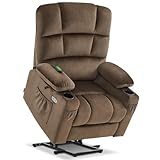
- DUAL MOTOR: With the help of built-in dual motor, the chair's backrest and footrest work independently, it means you can adjust to the infinite position you want, lift, TV, and lay flat (Max reclining...
- Home Button: By pressing the HOME button on the remote control, the user will lift from the prone position in a maximum of "16" seconds (When the reclining position is raised, the back will move...
- Soft Fabric & Clean Easily: The chair features high-quality fabric material not only skin-friendly, but also can be easily cleaned with a dry or damp lint-free cloth
For more background on how sleep position can affect breathing comfort, Johns Hopkins Medicine explains how elevation and positioning may influence symptoms in certain conditions.
Best Lift Chair for Side Sleepers & Restless Sleep
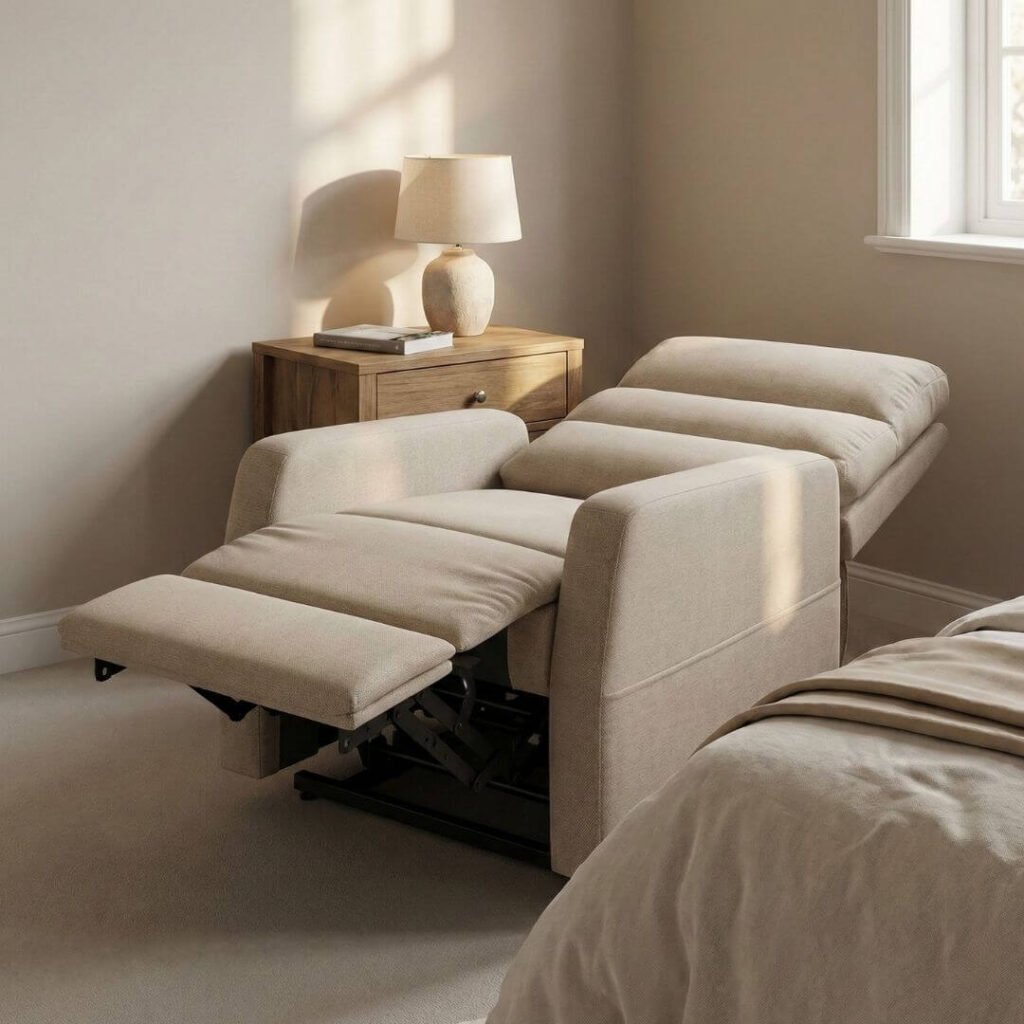
CANMOV Power Lift Recliner Chair with Massage & Heat, Overstuffed Wide Design
Side sleepers and seniors who shift positions overnight often need more room and forgiving cushioning. This chair’s wider seat and softer padding make it easier to adjust positions without feeling confined.
Pros:
- Wide seat accommodates movement during sleep
- Softer cushioning reduces shoulder pressure
- Stable base with smooth lift function
Cons:
- Does not recline completely flat
- Bulkier design may not fit smaller rooms

- 💺Extended Backrest & Deeper Seat: By analyzing the physical traits of big people, we designed a wide power lift recliner chair that is most suitable for most American seniors.The backrest length of...
- 💺Power Lift Recliner Chair: You can press the side button to control the lift or recline of the recliner chair, which means you can get any position you want, whether it's reclining between...
- 💺Massage & Lumbar Heat: Equipped with 4 powerful massage parts (back, lumbar, thighs, legs) and 5 massage modes for selection, each massage point can be operated individually. There is timer...
Best Lift Chair for Sleeping With Back, Hip, or Knee Pain
Golden Technologies PR-510 Cloud Lift Chair (Small/Medium)
This chair focuses on pressure distribution and comfort rather than aggressive reclining. Its infinite-position recline allows small adjustments that can help offload sensitive joints during extended periods of rest.
Pros:
- Infinite-position recline allows precise positioning
- Softer cushioning reduces pressure on hips and lower back
- Trusted manufacturer with consistent build quality
Cons:
- Higher price than budget lift chairs
- Not designed for full flat sleeping

- Suggested User Height = 5'1" - 5'6"
- Weight Capacity = 375 LB
- Overall Width = 33.5 inches
Seniors who sleep in a chair regularly should also be mindful of skin pressure. Our guide on How to Prevent Pressure Ulcers (Bedsores) in Seniors covers positioning and pressure-relief strategies in more detail.
Best Lift Chair for Occasional Overnight Use
Best Choice Products PU Leather Electric Power Lift Chair with Massage & Heat
This chair works best for short-term or occasional overnight use rather than nightly sleep. It offers basic reclining positions and lift assistance at a lower cost.
Pros:
- Affordable option for occasional sleeping
- Simple controls and straightforward design
- Suitable for naps or short overnight stays
Cons:
- Limited recline positions
- Less adjustability for long-term comfort

- DEPENDABLE COMFORT: This versatile power lift recliner chair is the perfect choice for a mainstay in your living space, with built-in cupholders that allow for further lounging convenience
- POWER LIFT DESIGN: Operating this chair is made easy with adjustment functions that work at the push of a button; an easy-to-reach button on the side lets you tilt forward or recline
- MASSAGE + HEAT: Equipped with a remote control and 3 massage modes that target your back, lumbar, thighs, and lower legs at high or low intensity, plus 2 heat settings that radiate warmth from the...
Educational Overview: What Actually Matters If You Plan to Sleep in a Lift Chair
When people search for the best lift chair for sleeping, they’re usually trying to solve a very specific problem: they need a chair that can function as a safe, supportive sleep surface for hours at a time, not just a comfortable recliner for the evening. The good news is that you don’t need to memorize specs to choose well—you just need to understand a few practical “make-or-break” factors that affect overnight comfort, safety, and (for many seniors) skin integrity.
One of the biggest differences between a chair that’s “nice” and a chair that’s sleep-appropriate is positioning control. For overnight use, chairs with independent back and leg adjustment make it easier to fine-tune comfort without forcing the entire body into one fixed posture. That matters because most people subtly reposition during sleep—even if they don’t realize it. If the chair doesn’t allow those small changes, the body ends up spending too long with pressure concentrated in the same places.
That leads directly into pressure management, which is a major consideration for seniors—especially anyone with limited mobility, poor sensation, diabetes, vascular disease, or a history of skin breakdown. Overnight pressure tends to concentrate at the sacrum/tailbone, hips, shoulder blades, and heels depending on the recline angle and how the chair is built. The goal isn’t perfection; it’s reducing sustained pressure and friction. If you want a deeper, step-by-step explanation of pressure-risk mechanics and prevention, see How to Prevent Pressure Ulcers (Bedsores) in Seniors, which lays out practical strategies that translate well to chair sleeping.
Seat depth and footrest length are another underappreciated factor. Many seniors slide forward during the night, especially in chairs that recline deeply but don’t support the legs well. Once someone starts sliding, the pelvis tilts, the lower back loses support, and pressure increases where you don’t want it. Chairs with an extended footrest (or a better leg angle at full recline) tend to reduce that “slow slide” effect and feel more stable for longer sleep windows.
Then there’s head and neck positioning, which can quietly make or break sleep quality. Some sleepers do best with gentle elevation; others feel strain if the head is pushed forward or the chin tucks. That’s why pillows and positioning accessories matter more than people expect. A small pillow behind the lumbar spine, a thin support under the knees, or a rolled towel under the forearm can reduce strain and pressure points without dramatically changing posture.
Finally, it’s important to acknowledge the safety question directly: is sleeping in a recliner or lift chair safe? There isn’t one universal answer, because “safe” depends on medical conditions, mobility, and the chair’s design. The Healthline.com article “When It Might Be Better for Your Health to Sleep in a Recliner” does a good job explaining why positioning, circulation, and underlying health factors matter—without turning it into fear-based advice. The key takeaway is that overnight chair sleeping can be appropriate for some people, but it should be done thoughtfully and reassessed over time.
How to Use a Lift Chair Safely for Sleeping
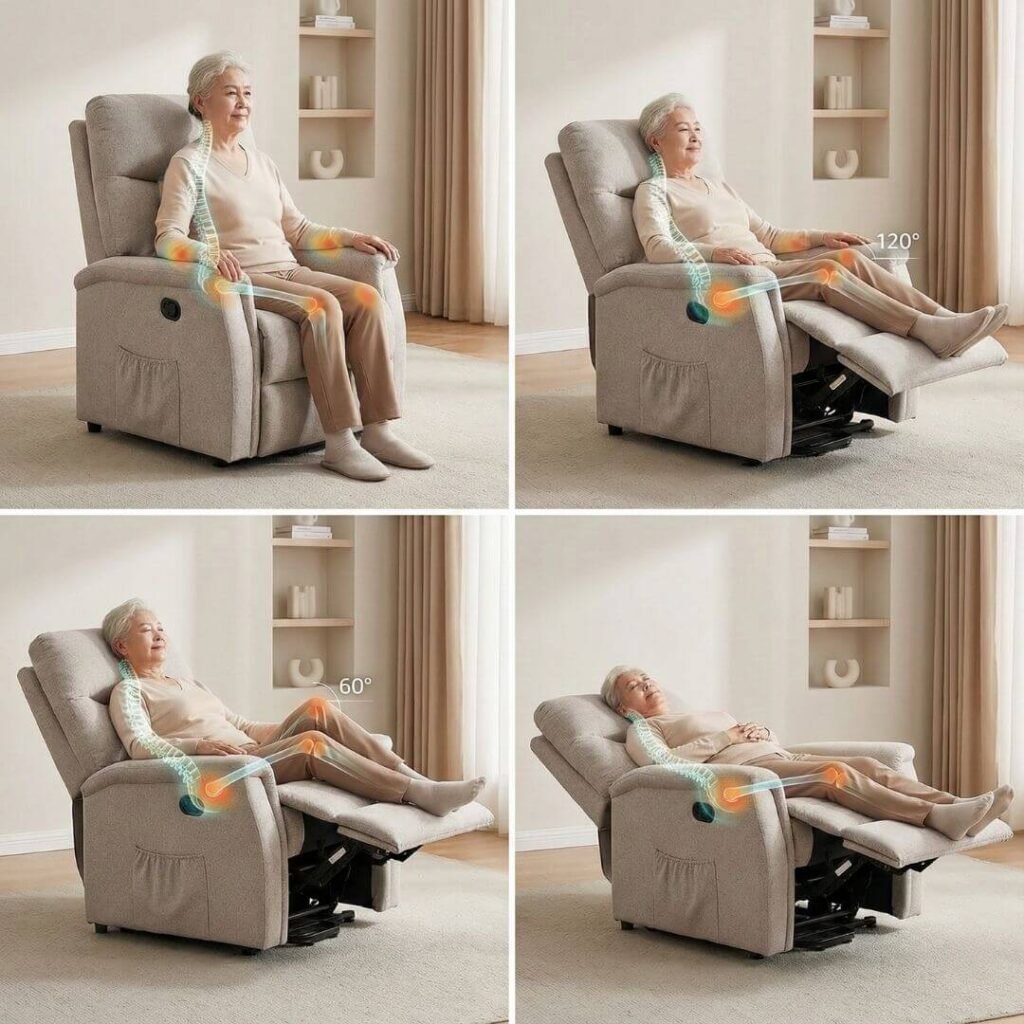
Even the best lift chair can become uncomfortable—or unsafe—if it isn’t used correctly overnight. Seniors who sleep in a lift chair should think beyond comfort and consider positioning, nighttime movement, and environmental safety as part of a consistent routine.
Start by fully adjusting the chair before bedtime, not while already drowsy. Taking a few moments to fine-tune the recline angle, leg elevation, and lumbar support helps reduce strain and prevents sudden movements later in the night. Small adjustments made while alert are more precise and lower the risk of awkward repositioning.
Supportive pillows can make a significant difference. A thin pillow behind the lower back can help maintain spinal alignment, while a small pillow or rolled towel under the knees may reduce pressure on the hips and lower back. Some seniors also benefit from light arm or side support to prevent rolling or shoulder strain during sleep. The goal is stability without restriction.
Nighttime movement deserves special attention. Seniors who get up to use the bathroom should ensure clear, well-lit pathways between the chair and the bathroom. Tripping hazards like rugs, cords, or clutter should be removed, and nightlights should be placed along common walking routes. These broader precautions are covered in our guide on Tips for Making Your Home Safer for Seniors, which addresses lighting, flooring, and other fall-prevention strategies.
The placement of the chair itself matters as well. A lift chair should always sit on a stable, level surface, with enough clearance for full recline and lift without bumping walls or furniture. The chair’s controls should be easy to reach in both seated and reclined positions, so adjustments can be made without twisting or leaning.
For seniors who feel unsteady during transfers, additional supports may improve safety. Some individuals benefit from nearby handholds or bedroom safety aids when transitioning between standing and sitting. Our Best Bed Rails for Seniors (2025 Guide) discusses options that may help with stability during nighttime movements, particularly for those who alternate between a bed and a lift chair.
Finally, it’s important to reassess safety periodically. Changes in strength, balance, or sleep habits may require repositioning the chair, adjusting supports, or modifying the surrounding environment. Safe use isn’t a one-time setup—it’s an ongoing process that adapts as needs change.

Lifestyle Synergy: Supporting Better Sleep Beyond the Lift Chair
Sleeping in a lift chair works best when it’s part of a broader daily routine, not a standalone solution. While the right chair can improve comfort and safety at night, lifestyle factors during the day often determine how well someone actually sleeps and how their body feels the next morning.
Daily movement remains essential, even for seniors who rely on mobility aids or spend part of the night sleeping in a chair. Gentle activity helps maintain circulation, reduces stiffness, and supports joint health, all of which can make overnight positioning more comfortable. Our article on The Benefits of Staying Mobile as You Age explains why consistent, appropriate movement plays such a critical role in comfort, balance, and overall quality of life.
Sleep routines also matter. Going to bed at a consistent time, minimizing late-evening screen use, and allowing time to settle into the chair before fully reclining can help the body transition into sleep more easily. Seniors who rush directly from standing or walking into a fully reclined position often report more discomfort than those who allow a gradual wind-down period.
Hydration and timing of fluids deserve attention as well. Staying well hydrated during the day supports circulation and tissue health, but reducing fluid intake close to bedtime may limit unnecessary nighttime trips out of the chair. Fewer nighttime transfers can improve sleep continuity and reduce fall risk.
Comfort accessories can also enhance the sleep experience when used thoughtfully. Supportive pillows, lightweight blankets, and breathable fabrics help regulate temperature and reduce pressure points. Some seniors find that minor adjustments—such as changing pillow thickness or adding light knee support—have a meaningful impact on how rested they feel in the morning.
Finally, it’s important to reassess habits over time. Sleep needs and mobility levels change, and what works well one month may need adjustment the next. Paying attention to morning stiffness, skin comfort, and overall sleep quality can help identify when routines or positioning should be modified.
When paired with healthy daily habits and a supportive environment, a lift chair can function as part of a cohesive lifestyle system—one that supports comfort, safety, and rest rather than compensating for avoidable strain.
Physician’s Tips: How to Sleep Better (and Safer) in a Lift Chair
Sleeping in a lift chair can work well for the right person, but the goal isn’t just to fall asleep—it’s to wake up with less pain, less stiffness, and fewer pressure-related issues. The tips below are practical, non-technical adjustments I recommend most often when someone is using a lift chair for overnight rest.
Aim for “supported neutral,” not “as flat as possible.”
Many people assume flatter is automatically better, but the most comfortable overnight position is usually a stable, supported recline that keeps the pelvis from sliding forward and maintains gentle lumbar support. If a chair goes near-flat but encourages sliding, it can actually worsen alignment over time.
Prevent the slow slide.
One of the most common problems I see is gradual sliding down the chair during sleep. That shift changes pelvic position, strains the lower back, and increases pressure on the sacrum/tailbone. If sliding is happening, adjust the leg support slightly, add a thin lumbar support, or use a small knee support to help maintain posture. Even minor changes can improve stability.
Reposition intentionally at least once during the night if possible.
If someone sleeps in a lift chair regularly, staying perfectly still for 6–8 hours isn’t ideal. The ability to make small posture changes is one of the reasons dual-motor chairs are so valuable. If you wake up briefly, make a small adjustment—slightly change the recline angle or leg height—to redistribute pressure and reduce stiffness.
Watch the skin—especially in higher-risk seniors.
If the senior has diabetes, decreased sensation, poor circulation, or a history of pressure injuries, check for early warning signs: persistent redness, tenderness, warmth, or skin that looks “shiny” over bony areas. Those can be early indicators that pressure is too concentrated. If risk is elevated, it’s worth revisiting prevention basics from our guide on How to Prevent Pressure Ulcers (Bedsores) in Seniors and adjusting positioning accordingly.
Keep the neck in a relaxed, supported position.
Neck discomfort is a common reason chair sleeping fails. A pillow that’s too thick can push the head forward; one that’s too thin can leave the neck unsupported. The best setup usually keeps the chin from tucking and supports the natural curve of the neck. If breathing comfort is a goal, gentle torso elevation often feels better than forcing the neck forward.
Use heat and massage thoughtfully.
Heat and massage can feel great, but they shouldn’t run all night. Prolonged heat can lead to dryness or irritation, and excessive vibration can disturb sleep quality. If you use these features, treat them like a “wind-down” tool—10 to 20 minutes before sleep—rather than an all-night setting.
Reassess periodically—especially if chair sleep becomes “the default.”
Chair sleeping is sometimes a bridge during recovery or a flare of pain. If it becomes permanent, it’s worth reassessing every few weeks: Are mornings better or worse? Is swelling increasing? Is skin tolerating it well? If the answer is trending the wrong direction, the plan may need adjustment rather than simply “getting used to it.”
When in doubt, prioritize safety and comfort over the perfect setup.
There is no single best position for everyone. The best lift chair sleep setup is the one that keeps the senior comfortable, stable, and able to move safely during the night.

Comparison Table: Best Power Lift Recliner for Sleeping
Frequently Asked Questions
1. Is it safe to sleep in a lift chair overnight?
Sleeping in a lift chair can be safe for some seniors, but it depends on the chair’s design, positioning, and the individual’s health needs. Chairs used for overnight sleep should provide stable support, allow small adjustments, and reduce pressure on vulnerable areas. It’s also important to reassess comfort and skin condition regularly.
2. What type of lift chair is best for sleeping?
Lift chairs with near-flat or infinite-position recline and independent back and leg adjustment are generally better suited for sleeping. These designs allow more precise positioning and help reduce pressure buildup during the night. Chairs designed only for casual reclining are usually not appropriate for extended sleep.
3. Can you sleep in a lift chair every night?
Some seniors do sleep in a lift chair nightly, especially during recovery or when bed sleeping is uncomfortable. However, nightly use should be monitored for stiffness, pressure areas, or changes in sleep quality. If problems develop, positioning or sleep arrangements may need to be adjusted.
4. Are lift chairs better than beds for people with breathing problems or acid reflux?
For certain individuals, sleeping with the torso elevated can feel more comfortable than lying flat. A properly positioned lift chair may help with comfort related to breathing or reflux, but it does not treat underlying conditions. Decisions should be based on comfort, safety, and guidance from a healthcare professional.
5. Can sleeping in a lift chair cause back, hip, or knee pain?
Yes, if the chair does not support proper alignment or allows the body to slide forward during sleep. Poor positioning can place extra strain on the lower back, hips, or knees over time. Chairs that allow small adjustments and provide adequate support tend to reduce this risk.
6. Who should not sleep in a lift chair regularly?
Seniors with high risk for pressure injuries, poor circulation, or difficulty repositioning may need extra caution. Anyone who experiences worsening pain, skin irritation, or swelling after sleeping in a chair should reconsider overnight use. Regular reassessment is important for safety.
7. What features should a lift chair have if you plan to sleep in it?
Key features include independent back and leg controls, stable arm support, adequate seat depth, and a recline range suitable for extended rest. Chairs that allow subtle position changes are especially helpful for reducing pressure and stiffness overnight.
8. Is it better to sleep flat or in a reclined position in a lift chair?
There is no single best position for everyone. Many seniors sleep more comfortably in a gently reclined, well-supported position rather than fully flat. The most important factor is maintaining alignment and comfort throughout the night without excessive pressure or sliding.
Final Thoughts
Sleeping in a lift chair can be a practical solution for certain seniors, but it’s not a one-size-fits-all approach. Chairs designed for overnight use provide better positioning, stability, and comfort than standard recliners.
Choosing the right chair—and using it thoughtfully—can make a meaningful difference in comfort and safety during the night.
Medical Disclaimer: This guide is for general educational purposes only and is not intended to serve as personalized medical advice, diagnosis, or treatment. Always consult a licensed healthcare professional for recommendations tailored to your specific medical condition, mobility needs, or safety concerns.
Last update on 2026-04-02 / Affiliate links / Images from Amazon Product Advertising API