
Affiliate Disclaimer: This article contains affiliate links. As an Amazon Associate, Mobility With Ease may earn a small commission from qualifying purchases at no additional cost to you.
Introduction
Bathing safely can become increasingly challenging with age. Changes in balance, joint flexibility, muscle strength, and reaction time can turn a standard bathtub into a genuine fall risk. For many older adults, even a small step-over height, slick surfaces, or the need to lower down and stand back up can make bathing feel unsafe or exhausting.
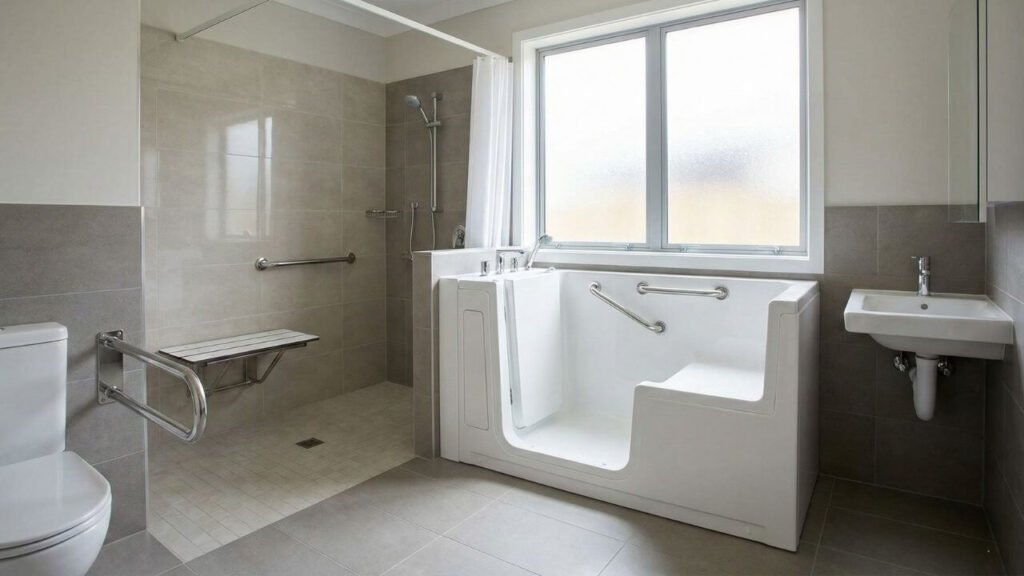
For seniors who want to remain independent at home, a walk-in tub can be a practical and effective solution. The best walk-in tubs for seniors are designed to reduce step-over height, provide stable built-in seating, and support safer transfers in and out of the tub. When chosen and installed correctly, they can significantly lower fall risk, improve comfort, and make daily bathing less physically demanding—without sacrificing dignity or independence.
That said, walk-in tubs are not one-size-fits-all. Models vary widely in size, door design, drain speed, safety features, and comfort options such as hydrotherapy jets or heated seating. Selecting the wrong walk-in tub can lead to frustration, long wait times while draining, poor bathroom fit, or unnecessary expense. For seniors with arthritis, balance issues, or limited mobility, these details matter far more than brand names or marketing claims.
This 2026 guide to the best walk-in tubs for seniors reviews top-rated models available today, with a focus on real-world safety, comfort, and usability. You’ll learn which walk-in tubs are best for fall prevention, joint pain, small bathrooms, and tub-shower combinations, along with what features to prioritize, what costs to expect, and how walk-in tubs fit into a broader aging-in-place plan. Practical safety tips and physician insights are also included to help you make a confident, informed decision.
Why Walk-In Tubs Matter for Seniors
Bathroom falls remain one of the most common causes of injury among older adults. Wet surfaces, tight spaces, and the mechanics of stepping over a high tub wall or lowering into a deep soaking tub all increase fall risk. This risk is amplified in seniors with arthritis, balance impairment, neuropathy, or lower-extremity weakness, where even a brief loss of stability can result in serious injury.
Traditional bathtubs require a combination of balance, strength, and flexibility that many seniors gradually lose over time. Standing on one leg to step into a tub, turning to sit, and then standing again on a slippery surface places significant stress on the hips, knees, and ankles. For caregivers, these movements also increase the risk of strain or injury during assisted bathing.
Walk-in tubs are designed to address these challenges by changing how bathing is performed rather than simply adding accessories to a standard tub. The best walk-in tubs for seniors typically include:
- Low step-in thresholds that reduce the need to lift the legs over a high tub wall
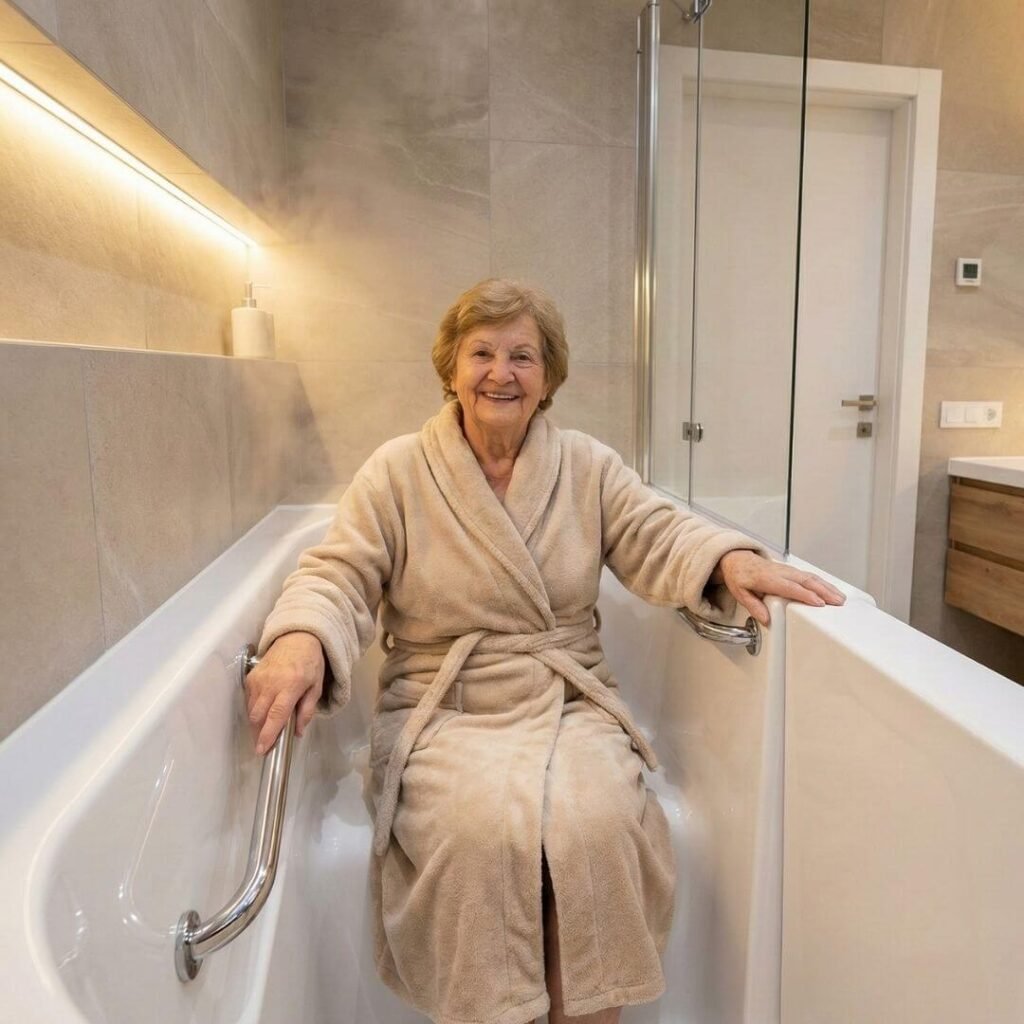
- Built-in seating that allows seniors to bathe while seated, improving stability and comfort
- Grab bars and textured, non-slip flooring to support safe transfers and positioning
- Controlled water depth and fast-drain systems that help limit time spent waiting to exit the tub
For seniors who want to remain in their homes, a walk-in tub can be a meaningful component of a broader fall-prevention and home-safety strategy. When combined with other bathroom safety measures—such as grab bars, non-slip flooring, and adequate lighting—walk-in tubs can help reduce injury risk while preserving independence and confidence with daily bathing.
Doctor’s Note
From a clinical standpoint, walk-in tubs are most helpful for seniors who struggle with balance, joint pain, stiffness, or safe transfers—but who still want to bathe independently. They can reduce fall risk and physical strain during bathing, but they are not a cure-all. Proper sizing, thoughtful feature selection, correct installation, and realistic expectations all matter.
In my experience working with older adults, the most common mistakes involve focusing too much on comfort features and not enough on practical usability. Choosing a tub that is too large for the bathroom, overlooking door clearance or drain speed, or underestimating how long the fill-and-drain process takes can quickly turn a well-intentioned purchase into a daily frustration.
It’s also important to recognize that walk-in tubs work best for seniors who can transfer into a seated position safely. For those with significant weakness or advanced mobility limitations, additional supports—or alternative bathing solutions—may still be needed. When selected appropriately, however, the best walk-in tubs for seniors can improve bathing safety, reduce caregiver strain, and meaningfully enhance quality of life. When chosen poorly, they can become an expensive obstacle rather than a helpful solution.
Best Walk-In Tubs for Seniors (Top Picks)
Best Overall Walk-In Tub for Seniors
ANZZI Walk-In Tub 53″ x 27″ Right-Drain Bathtub
This ANZZI walk-in tub earns the top overall spot for its balance of safety, comfort, and premium features. It combines a low step-in threshold and built-in seating with air and whirlpool massage jets, making it suitable for seniors who want both accessibility and added comfort.
Pros
- Low entry threshold and integrated seat support safer transfers
- Air and whirlpool massage jets provide added comfort and relaxation
- Quick-fill system helps reduce waiting time before bathing
- Includes handheld shower and thoughtful comfort extras like LED lighting
Cons
- Larger footprint may not fit smaller bathrooms
- Requires the ability to transfer safely into a seated position

- Dual therapy with 10 whirlpool jets and 18 air jets for relaxing full-body hydro massage
- Quick Fill faucet rapidly fills tub; 60" Euro-Grip shower adds convenience and control
- Built-in inline heater maintains water temperature for longer, uninterrupted soaks
Best Walk-In Tub for Arthritis & Joint Pain
Ella Laydown 30″ x 60″ Hydro Massage Walk-In Bathtub (Right Drain)
Designed for seniors with arthritis or chronic joint pain, this Ella Laydown walk-in tub allows for deeper soaking and more complete body support. Its lay-down configuration and hydro massage jets may help reduce stiffness and muscle discomfort after daily activity.
Pros
- Lay-down design supports deeper soaking for joint relief
- Hydro massage jets may help ease stiffness and muscle tension
- Longer tub length offers better body support than seated-only models
- Well-suited for seniors prioritizing therapeutic comfort
Cons
- Larger footprint may not fit smaller bathrooms
- Requires the ability to transfer safely into a seated position

- Ella’s Lay Down 30” x 60” has 11 strategically placed hydro jets in order to deliver optimal therapeutic relief. These jets provide massage your back, hips, thighs, feet and calves.
- Our 2" gravity-driven drain with dual 2" ports: Ensures efficient water flow for significantly faster drain times.
- Inward swing clear tempered glass door with brushed finish aluminum door frame provides safe entry and exit.
Best Walk-In Tub for Small Bathrooms
Empava Walk-In Tub 54″ Whirlpool Bathtub (Right Drain)
This Empava walk-in tub is a strong option for smaller bathrooms, offering a compact footprint without sacrificing key features. It includes both air and water jets, heated soaking, and an outward-swinging door designed to improve accessibility in tighter spaces.
Pros
- Compact size works well in smaller or older bathrooms
- Outward-swinging door improves ease of entry
- Combination of air and water jets adds comfort without excess bulk
- Heated soaking helps maintain water temperature during use
Cons
- Smaller interior may feel restrictive for larger users
- Fewer luxury features than full-size models

- Walk-In Tub with Spa-Inspired Hydrotherapy: 13 whirlpool jets and 12 air jets create a serene relaxation oasis. Transform your bathroom into a personal retreat with this walk in tub, blending luxury...
- Consistently Warm Baths – The built-in heater keeps water at 77°F - 104°F, ensuring a soothing, warm soak. No more cold surprises—just pure relaxation with this walk-In bathtub with jets and...
- Safe & Accessible Entry – The 20% wider outward-swinging door and low step-in threshold make this walkin tub ideal for seniors
Best Walk-In Tub for Safety & Fall Prevention
American Standard Gelcoat Value Whirlpool & Air Spa 32″ x 52″ Walk-In Bathtub
American Standard emphasizes safety and reliability in this walk-in tub, making it a solid choice for seniors with balance concerns or a history of falls. Features like a low step-in threshold, textured flooring, grab bars, and an outward-opening door are designed to reduce fall risk during bathing.
Pros
- Strong focus on core safety features
- Textured floor and grab bars improve stability
- Outward-opening door supports safer entry and exit
- Trusted brand with a long-standing reputation
Cons
- Fewer comfort-focused features than premium models
- Whirlpool and air systems add maintenance considerations
- Fully equipped, the Value Series offers all the latest in safety and comfort features wtih the most advanced therapeutic options. The full-sized, watertight outward opening door is contoured and for...
Best Walk-In Tub Shower Combo for Seniors
Empava Japanese Soaking Walk-In Tub 54″ with Outward Door
This Empava walk-in tub shower combo offers flexibility for households that need both seated bathing and standing shower options. Its low threshold, slip-resistant surfaces, built-in seat, and handheld showerhead make it a practical solution for shared bathrooms.
Pros
- Supports both seated bathing and standing showers
- Low entry threshold and built-in seat improve safety
- Slip-resistant flooring and handrails enhance stability
- Works well in multi-user or shared bathrooms
Cons
- Fewer hydrotherapy features than dedicated soaking tubs
- Requires careful installation planning for shower use

- Effortless & Safe Entry – Designed for seniors and mobility-impaired users, this tub features an extra-wide outward-opening door (20% wider), a 3.3-inch ultra-low threshold, and a slip-resistant...
- Ultimate Comfort & Deep Soaking – With an extra-wide chair-height seat and a spacious 84-gallon capacity, users can fully submerge up to their shoulders (32.5” soaking depth) for a truly spa-like...
- Secure Stability with Handrails & Grab Bars – Multiple safety handrails inside and out provide additional support, ensuring confidence and balance while entering, exiting, or adjusting positions in...
Educational Overview: How Walk-In Tubs Work
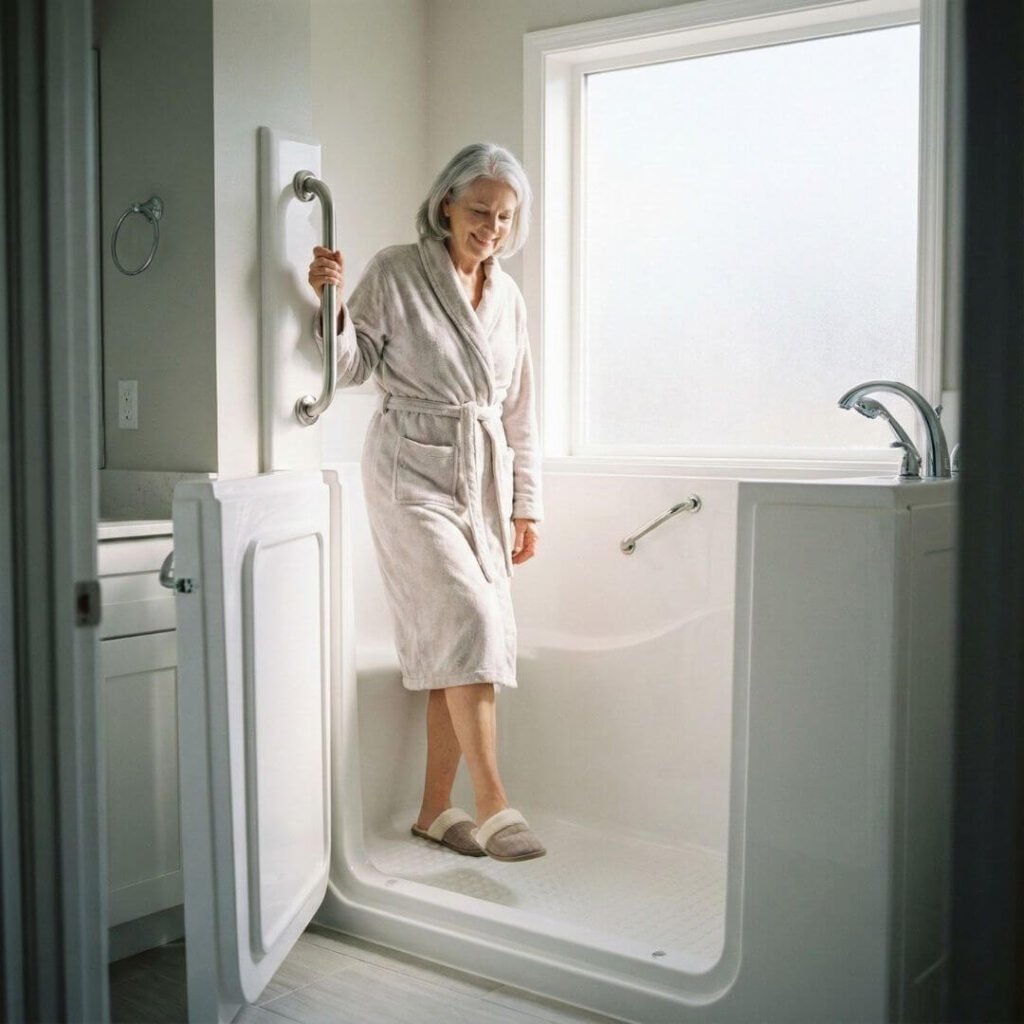
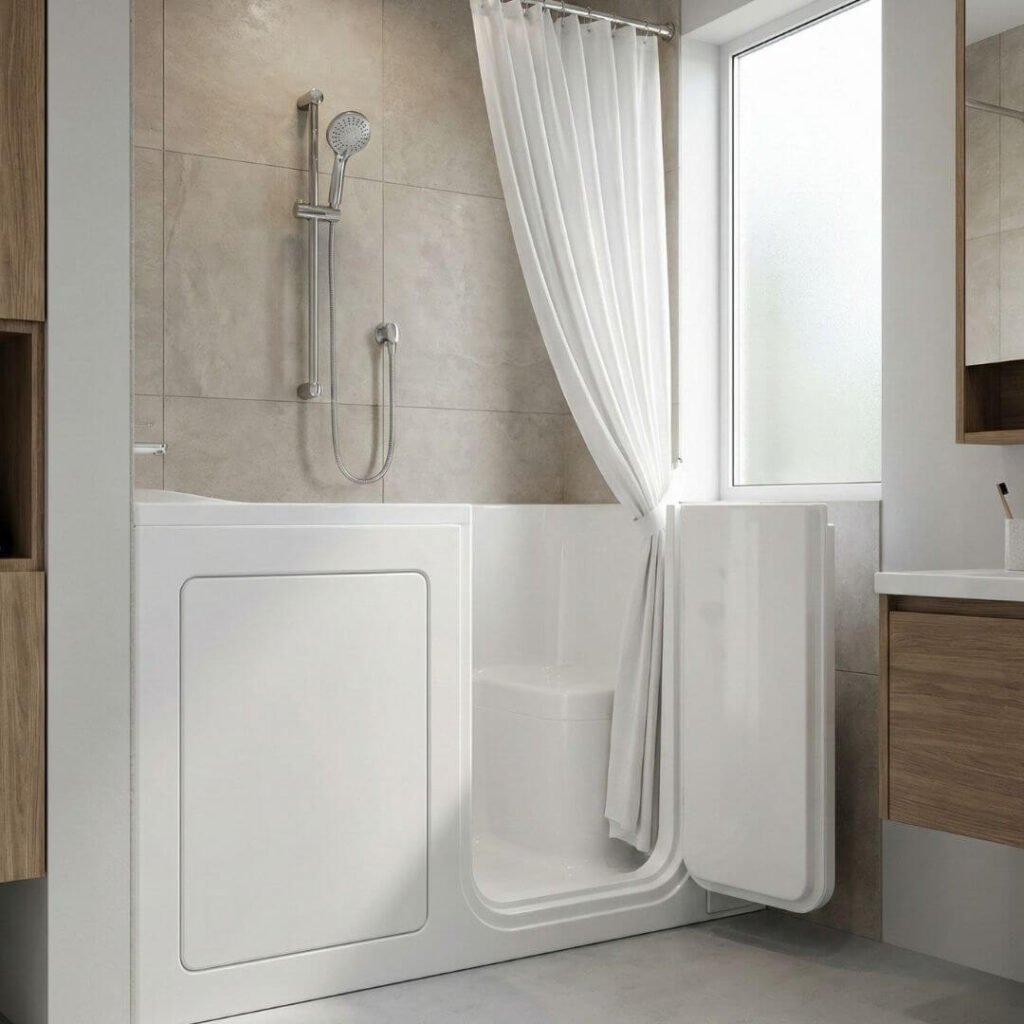
UnlikUnlike standard bathtubs, walk-in tubs are designed around safe entry, seated bathing, and controlled water management. Instead of stepping over a high tub wall, the user opens a watertight door and steps into the tub at floor level or near floor level. Once inside, the user sits on a built-in seat, closes the door, and then fills the tub while seated.
After bathing, the tub must fully drain before the door can be opened. This design significantly reduces fall risk compared to standing transfers into a traditional tub, but it also introduces important usability considerations that vary by model.
Understanding how walk-in tubs function—and where they differ—helps explain why product selection matters so much for seniors.
Entry, Seating, and Transfers
The most important functional difference between walk-in tubs and standard bathtubs is how the user enters and exits the tub.
- Low step-in thresholds reduce the need to lift the legs or balance on one foot
- Built-in seating allows seniors to bathe while seated rather than lowering into or standing up from a deep tub
- Seat height is typically designed to approximate chair height, making transfers easier for users with knee or hip limitations
For seniors with arthritis, joint stiffness, or balance concerns, these design features reduce strain on the lower extremities and help make bathing a controlled, deliberate activity rather than a risky one.
Door Design and Sealing Systems
Walk-in tubs rely on a sealed door system to prevent leaks once the tub is filled. Door design varies between models and can affect both safety and bathroom layout.
- Outward-swing doors are often easier for entry and exit but require adequate clearance
- Inward-swing doors may fit tighter spaces but can complicate transfers if balance is limited
- Door seals and latching mechanisms must maintain a watertight seal under pressure
A reliable door seal is essential. Poor-quality seals can lead to leaks, maintenance issues, or reduced confidence during use. When evaluating the best walk-in tubs for seniors, door construction and sealing quality are just as important as visible safety features.
Water Fill and Drain Systems
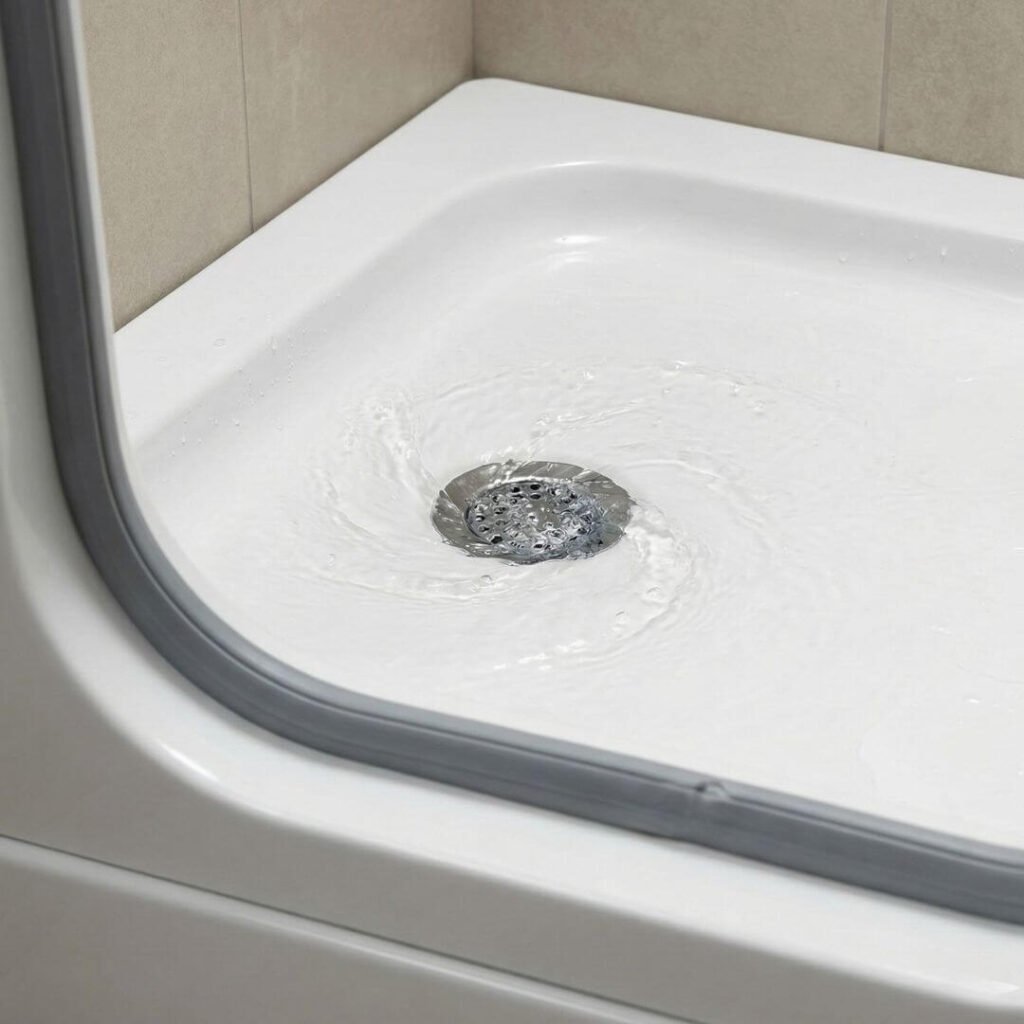
Because walk-in tubs are entered before filling and exited after draining, fill and drain time directly affects comfort.
- Fast-fill systems help reduce the time spent waiting for the tub to fill
- Fast-drain systems minimize how long the user remains seated in cooling water before exiting
- Plumbing capacity in the home can influence both fill and drain performance
For seniors with temperature sensitivity, joint pain, or limited tolerance for sitting still, drain speed becomes a critical feature—not just a convenience. Slower drain systems can be uncomfortable and frustrating, particularly in colder environments.
Safety Surfaces and Support Features
Most walk-in tubs include multiple built-in safety features intended to improve stability during bathing:
- Textured or slip-resistant flooring reduces slipping on wet surfaces
- Integrated grab bars provide support during transfers and repositioning
- Contoured seating helps maintain upright posture while seated
These features are especially important for seniors who live alone, as they reduce reliance on caregiver assistance during routine bathing.
Hydrotherapy and Comfort Features
Some walk-in tubs include optional comfort features such as air jets or whirlpool systems. While these features can improve relaxation and may help with muscle stiffness or joint discomfort, they should be considered secondary to core safety and usability.
Hydrotherapy features also add:
- Mechanical complexity
- Additional maintenance considerations
- Higher upfront cost
For many seniors, a simpler walk-in tub with excellent safety design may be a better long-term choice than a feature-heavy model.
Why Design Details Matter
Walk-in tubs are not interchangeable. Small differences in door design, seat height, drain speed, or interior dimensions can significantly affect daily usability. For seniors aging in place, these details determine whether a walk-in tub becomes a helpful safety upgrade or an ongoing source of frustration.
When evaluating the best walk-in tubs for seniors, prioritizing safe entry, reliable doors, appropriate sizing, and efficient water management is often more important than luxury features.
How to Use a Walk-In Tub Safely
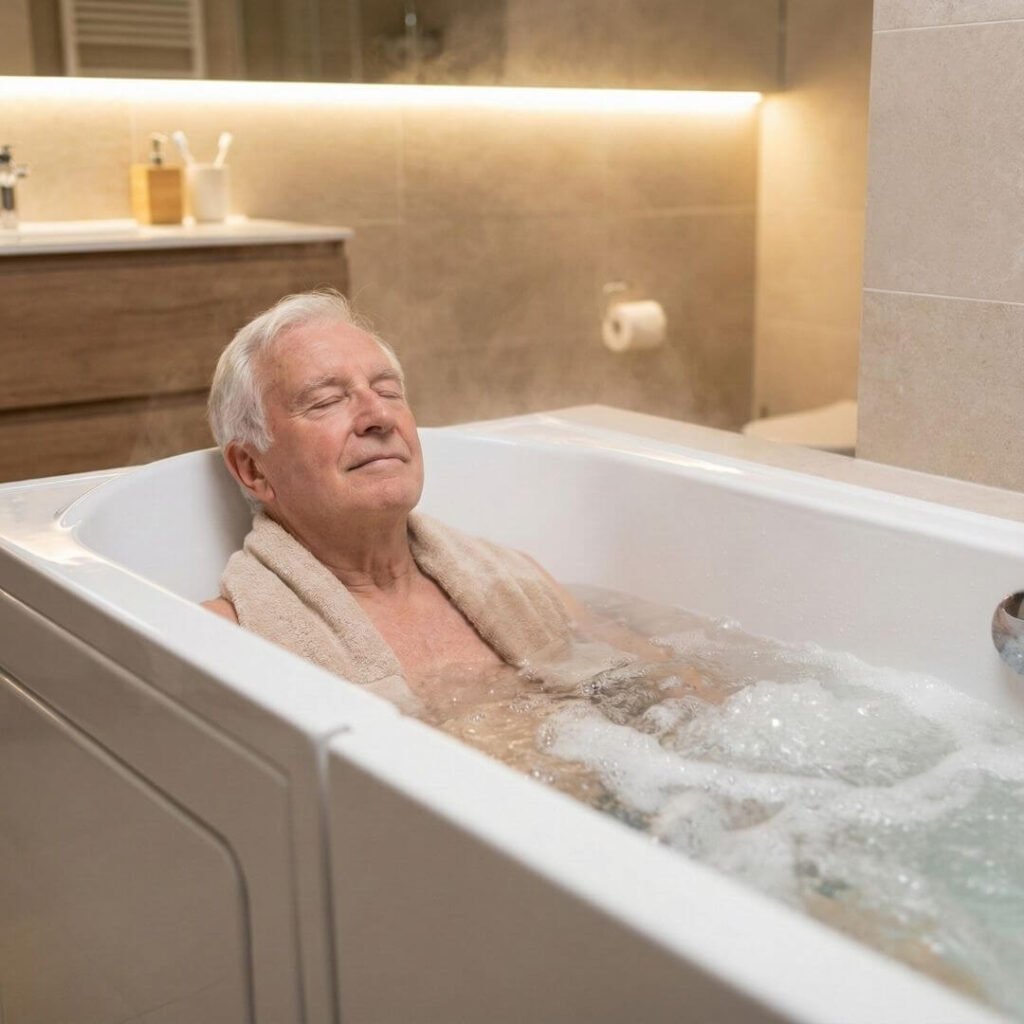
Even the best walk-in tubs for seniors should be used deliberately and consistently to maximize safety. While walk-in tubs reduce many of the risks associated with traditional bathtubs, improper use or rushed movements can still lead to slips, imbalance, or injury.
Following a consistent routine and understanding how the tub is designed to function are key to safe daily use.
Entering the Tub Safely
Before entering the tub:
- Ensure the bathroom floor is dry and free of clutter
- Open the door fully and confirm there is adequate clearance
- Use built-in grab bars for support while stepping in
When stepping into the tub, move slowly and deliberately. Even with a low threshold, balance can be compromised when transitioning from a dry floor to a wet surface. Seniors who feel unsteady may benefit from additional bathroom supports, such as grab bars placed outside the tub area.
Sitting and Positioning
Once inside:
- Sit fully on the built-in seat before closing the door
- Adjust your posture so your feet are flat and stable
- Keep your back upright rather than leaning forward
The built-in seating in walk-in tubs is designed to reduce strain on the hips and knees, but proper positioning matters. Rushing this step or attempting to partially sit while closing the door can increase fall risk.
Filling, Bathing, and Temperature Safety
After the door is securely closed:
- Begin filling the tub while seated
- Test water temperature early to avoid scalding
- Keep frequently used bathing items within arm’s reach
Because walk-in tubs fill while the user is seated, water temperature awareness is especially important. Seniors with reduced sensation—such as those with neuropathy—should be cautious and avoid excessively hot water.
For added stability during bathing, some seniors also use supportive seating aids elsewhere in the bathroom. In homes where transfers remain challenging, devices like those discussed in Best Shower Chairs for Seniors can complement walk-in tub safety.
Draining and Exiting the Tub
Exiting the tub safely is just as important as entering:
- Always wait for the tub to fully drain before opening the door
- Remain seated until water is completely drained
- Use grab bars when standing and stepping out
Standing too early or attempting to open the door before draining is complete can lead to slips or loss of balance. Drain speed plays a significant role here, which is why it’s an important consideration when choosing among the best walk-in tubs for seniors.
Reducing Bathroom Fall Risk Beyond the Tub
A walk-in tub is most effective when it’s part of a broader bathroom safety strategy. Falls in the bathroom often occur not just during bathing, but when stepping onto wet floors, reaching for towels, or transferring near the toilet or sink. According to guidance from the Centers for Disease Control and Prevention (CDC), reducing fall risk involves addressing multiple factors at once, including floor traction, lighting, and access to stable handholds. Pairing a walk-in tub with thoughtful safety measures throughout the bathroom can significantly lower the risk of injury.
- Non-slip flooring or bath mats outside the tub
- Adequate lighting, especially for nighttime use
- Support rails near the toilet and sink
Many seniors benefit from pairing a walk-in tub with other safety devices, such as those covered in Best Toilet Safety Rails for Elderly, to reduce strain during transfers throughout the bathroom.
For a more comprehensive approach, Tips for Making Your Home Safer for Seniors outlines additional steps that support aging in place beyond bathing alone.
Key Safety Takeaway
Walk-in tubs are safest when used slowly, consistently, and as designed. Taking time during transfers, relying on built-in supports, and combining the tub with other bathroom safety measures can significantly reduce fall risk while preserving independence and confidence.
Lifestyle Synergy: Aging in Place
For many seniors, the decision to avoid bathing altogether or bathe less frequently stems from fear of falling rather than lack of hygiene awareness. When bathing feels safer and less physically demanding, seniors are more likely to maintain regular routines, which supports both physical health and emotional well-being.
The best walk-in tubs for seniors help:
- Reduce anxiety around bathing
- Encourage consistent self-care routines
- Limit reliance on caregivers for routine hygiene
- Preserve privacy and dignity
These benefits extend beyond the bathroom, reinforcing confidence with other daily activities such as dressing, grooming, and moving throughout the home.
Coordinating Bathroom Safety With the Rest of the Home
Bathroom safety improvements are most effective when coordinated with changes elsewhere in the home. For example:
- Improved lighting in hallways and bedrooms reduces nighttime fall risk when walking to the bathroom
- Non-slip flooring throughout the home supports safer transfers and mobility
- Strategically placed grab bars and handholds provide continuity of support, not just inside the tub
Effective aging in place requires looking beyond a single room and considering how the entire home supports safe, predictable movement. Home safety guidance from the National Institute on Aging emphasizes the importance of coordinated modifications—such as improved lighting, non-slip flooring, and strategically placed grab bars—to reduce fall risk throughout the home. When a walk-in tub is installed as part of this broader approach, it becomes one component of a safer, more supportive environment rather than an isolated upgrade.
For a broader overview of these home-wide considerations, Tips for Making Your Home Safer for Seniors outlines practical modifications that extend beyond the bathroom and support aging in place more holistically.
Supporting Long-Term Independence
Aging in place is not just about preventing falls—it’s about preserving autonomy. Walk-in tubs can help seniors:
- Bathe on their own schedule
- Avoid unnecessary assistance
- Maintain a sense of control over their daily lives
This sense of independence is often just as important as physical safety, particularly for seniors who value staying in their own homes rather than transitioning to assisted living.
Planning for Changing Needs
An effective aging-in-place plan also anticipates future changes. A walk-in tub that works well today should still be usable as mobility or strength declines. Features such as outward-swinging doors, appropriate seat height, and accessible grab bars become increasingly important over time.
When combined with adaptable home modifications and periodic reassessment of safety needs, walk-in tubs can remain a useful part of the home for many years.
Lifestyle Takeaway
Walk-in tubs provide the greatest benefit when they are integrated into a comprehensive aging-in-place strategy rather than treated as a single solution. By pairing safer bathing with thoughtful home modifications and realistic planning, seniors can remain comfortable, confident, and independent in their homes for longer.
Physician’s Tips for Choosing the Right Walk-In Tub
Choosing the right walk-in tub is less about finding the most features and more about matching the tub to the senior’s physical abilities, bathroom layout, and long-term needs. From a clinical perspective, the best outcomes come from prioritizing usability and safety over luxury upgrades.
When helping seniors and families evaluate walk-in tubs, I recommend focusing on the following factors.
Fit, Layout, and Physical Compatibility
A walk-in tub should fit both the bathroom space and the person using it.
- The tub’s length and width should allow the user to sit comfortably without feeling cramped
- Seat height should approximate chair height to reduce strain on the hips and knees
- Weight capacity should safely exceed the user’s body weight
Oversized tubs can crowd smaller bathrooms and limit safe transfers, while undersized tubs may feel unstable or uncomfortable. Proper fit is one of the most overlooked aspects when selecting among the best walk-in tubs for seniors.
Drain Speed and Temperature Comfort
Drain speed is a practical feature that directly affects daily comfort.
- Faster drain systems reduce the amount of time a senior sits in cooling water
- Slower drains can be uncomfortable, especially for seniors with joint pain or temperature sensitivity
From a usability standpoint, drain speed often matters more than added features like jets or lighting. Seniors are far more likely to use a tub consistently when exit time is reasonable and predictable.
Door Direction and Clearance
Door design plays a significant role in safe transfers.
- Outward-swing doors generally allow easier entry and exit but require adequate bathroom clearance
- Inward-swing doors may work better in tight spaces but can complicate transfers for those with balance limitations
Evaluating door swing in the context of the actual bathroom layout is essential. A well-designed tub can still be difficult to use if door clearance isn’t carefully considered.
Safety Features Over Comfort Features
While hydrotherapy jets and heated seating can add comfort, they should be considered secondary to core safety features, including:
- Slip-resistant flooring
- Secure grab bars
- Stable, contoured seating
For many seniors, a simpler tub with excellent safety design is more reliable long term than a feature-heavy model that requires additional maintenance.
Maintenance and Long-Term Practicality
Maintenance demands increase with mechanical complexity.
- Air and whirlpool systems may require regular cleaning
- More components mean more potential points of failure
- Simpler designs are often easier for seniors to manage over time
When evaluating walk-in tubs, it’s worth considering not just how the tub will function today, but how manageable it will be several years from now.
Cost Expectations and Planning
It’s also important to understand cost expectations upfront. Many families assume walk-in tubs are treated like medical equipment, but in most cases they are considered home modifications, not medical devices. This distinction affects insurance coverage and out-of-pocket costs.
Planning realistically for purchase, installation, and any future maintenance helps prevent disappointment and allows families to choose the most appropriate solution from the start.
Physician’s Takeaway
The right walk-in tub should feel intuitive, safe, and practical—not overwhelming. By prioritizing fit, safety, drain performance, and long-term usability, seniors and caregivers can make a confident decision and avoid costly mistakes. The best walk-in tubs for seniors are those that support daily routines reliably, not just those with the longest feature lists.
Comparison Snapshot
Frequently Asked Questions
1. Are walk-in tubs a good option for seniors with mobility or balance issues?
Yes, walk-in tubs can significantly reduce fall risk for many seniors by eliminating the need to step over a high tub wall and allowing bathing while seated. They are especially helpful for older adults with balance concerns, joint stiffness, or lower-extremity weakness. Proper sizing, door design, and safe use are critical to ensure they provide real benefit.
2. How much does a walk-in tub typically cost for seniors?
The cost of a walk-in tub varies widely based on size, features, and installation requirements. Basic models may start in the several-thousand-dollar range, while larger tubs with hydrotherapy features can cost significantly more. Installation, plumbing, and electrical upgrades can also affect the final price.
3. Does Medicare or insurance cover walk-in tubs?
In most cases, walk-in tubs are considered home modifications rather than medical devices and are not covered by Medicare. Some private insurance plans, Medicaid waiver programs, or local assistance programs may offer limited support. It’s important for families to verify coverage options before purchasing.
4. How long does it take for a walk-in tub to fill and drain?
Fill and drain times depend on the tub’s design, plumbing capacity, and whether fast-drain systems are included. Faster drain systems can greatly improve comfort by reducing how long a senior remains seated in cooling water. Drain speed is an important factor when evaluating the best walk-in tubs for seniors.
5. Are walk-in tubs safe for seniors who live alone?
Walk-in tubs can be safe for seniors who live alone when they are used properly and paired with built-in safety features such as grab bars and slip-resistant flooring. Seniors should feel comfortable transferring in and out independently and follow safe entry and exit routines. Additional bathroom safety measures can further reduce risk.
6. What features should seniors look for when choosing a walk-in tub?
Key features include a low step-in threshold, stable built-in seating, grab bars, and reliable door and drain systems. Proper sizing for the user and bathroom layout is also essential. Comfort features should be considered only after core safety needs are met.
7. Are walk-in tub shower combinations practical for everyday use?
Yes, walk-in tub shower combinations are often practical in shared households where different users have different bathing needs. They allow seniors to bathe while seated while still accommodating standing showers for other family members. Proper installation and water management are important for daily use.
8. What are the main drawbacks or disadvantages of walk-in tubs?
The main drawbacks include higher upfront cost, longer bathing times due to filling and draining, and space requirements that may limit placement in smaller bathrooms. Some models also require more maintenance, particularly those with hydrotherapy features. Understanding these trade-offs helps set realistic expectations.
Final Thoughts
The best walk-in tubs for seniors are not about luxury—they’re about safety, dignity, and independence. When chosen carefully, a walk-in tub can reduce fall risk, ease daily routines, and help older adults remain confident in their own homes.
As with any major home modification, thoughtful planning matters. Consider bathroom layout, physical needs, and long-term usability before purchasing. When integrated into a broader home-safety plan, a walk-in tub can be a valuable investment in aging well.
Medical Disclaimer: This guide is for general educational purposes only and is not intended to serve as personalized medical advice, diagnosis, or treatment. Always consult a licensed healthcare professional for recommendations tailored to your specific medical condition, mobility needs, or safety concerns.
Last update on 2026-03-21 / Affiliate links / Images from Amazon Product Advertising API