

Introduction
Constipation in seniors is far more common than most people realize — and it’s not simply a minor nuisance. For many older adults, infrequent or difficult bowel movements become a daily source of discomfort, fatigue, and frustration. Research shows that up to one in three adults over the age of 65 struggles with constipation, and among those in nursing facilities, rates may reach 50% or higher.
As a wound-care and functional-medicine physician, I see firsthand how digestive sluggishness affects more than digestion. When the gut slows down, it impacts appetite, sleep, wound healing, medication absorption, and even cognitive function. Yet the majority of cases can be managed without harsh laxatives — through strategic changes in diet, hydration, and lifestyle.
This comprehensive 2025 guide explains why constipation becomes more common with age, what foods and habits can restore regularity, and how to design a simple, sustainable food-first plan for long-term comfort and health.
This article is part of our broader Nutrition for Elderly (2025 Guide) series, which explores how diet influences mobility, digestion, and overall vitality in seniors.
Why Constipation in Seniors Deserves Real Attention
Constipation in elderly people often develops gradually. At first, bowel movements come less frequently, then straining becomes routine, and eventually discomfort overshadows daily life. Beyond the inconvenience, constipation can cause or worsen serious medical problems.
Hard stool increases pressure in the lower intestines, leading to hemorrhoids, anal fissures, urinary retention, and even fecal impaction. Chronic constipation is also linked to poor appetite, malnutrition, and sleep disruption — problems that accelerate frailty in older adults. In severe cases, toxins that should be eliminated instead re-circulate through the bloodstream, worsening inflammation and fatigue.
Regular elimination, by contrast, improves energy, clarity, and mood. In my clinical experience, helping an older adult regain a comfortable rhythm is often the first step toward restoring their overall vitality.
How Aging Changes the Digestive System
According to the National Institute on Aging, reduced activity, poor hydration, and medication side effects are key drivers of constipation in seniors.
Aging affects every stage of digestion — from swallowing to elimination. Understanding these physiologic shifts helps explain why even healthy seniors are prone to constipation.
- Weaker muscular contractions. The muscles that push stool through the intestines lose tone with age, slowing peristalsis and allowing stool to sit longer in the colon.
- Diminished nerve signaling. The “urge to go” becomes less sensitive. Seniors may not feel the need for a bowel movement until stool is already hard and dry.
- Lower stomach acid and enzyme production. Slower digestion upstream means slower movement downstream. Undigested food residues draw less water into the colon, compounding dryness.
- Reduced hydration and kidney efficiency. Many older adults drink less water, and the kidneys conserve more fluid, leaving less moisture for the intestines.
- Medication interactions. Common drugs — painkillers, calcium supplements, iron, antacids, and antidepressants — all contribute to constipation by slowing intestinal motility or altering electrolyte balance.

Recognizing these factors allows families and caregivers to focus on prevention rather than reaction — maintaining gut health before constipation becomes severe.
The Food-First Relief Plan
The most effective way to treat constipation in seniors is also the gentlest: through food. Fiber, hydration, and meal consistency create the foundation for a healthy, predictable digestive rhythm.
1. Rebuild Fiber Intake Gradually
As the Mayo Clinic explains, increasing fiber intake gradually and drinking adequate fluids are the safest ways to relieve constipation.
Fiber is the backbone of any constipation relief plan. It adds bulk to stool, draws water into the intestines, and encourages smoother passage through the colon.
Start by increasing fiber slowly — about 3–5 grams every few days — to allow the digestive system to adapt. A sudden jump from 10 to 30 grams can cause gas or bloating. Aim for 25–30 grams per day, paired with plenty of water.
Choose a blend of soluble fiber (from oats, beans, and fruit) for softness, and insoluble fiber (from whole grains and vegetables) for movement. Together, they create the perfect texture for regular bowel activity.
High-Fiber Foods for Constipation in Seniors (2025 Quick Overview)
| Food Type | Fiber per Serving | Additional Benefits | Best Ways to Include |
|---|---|---|---|
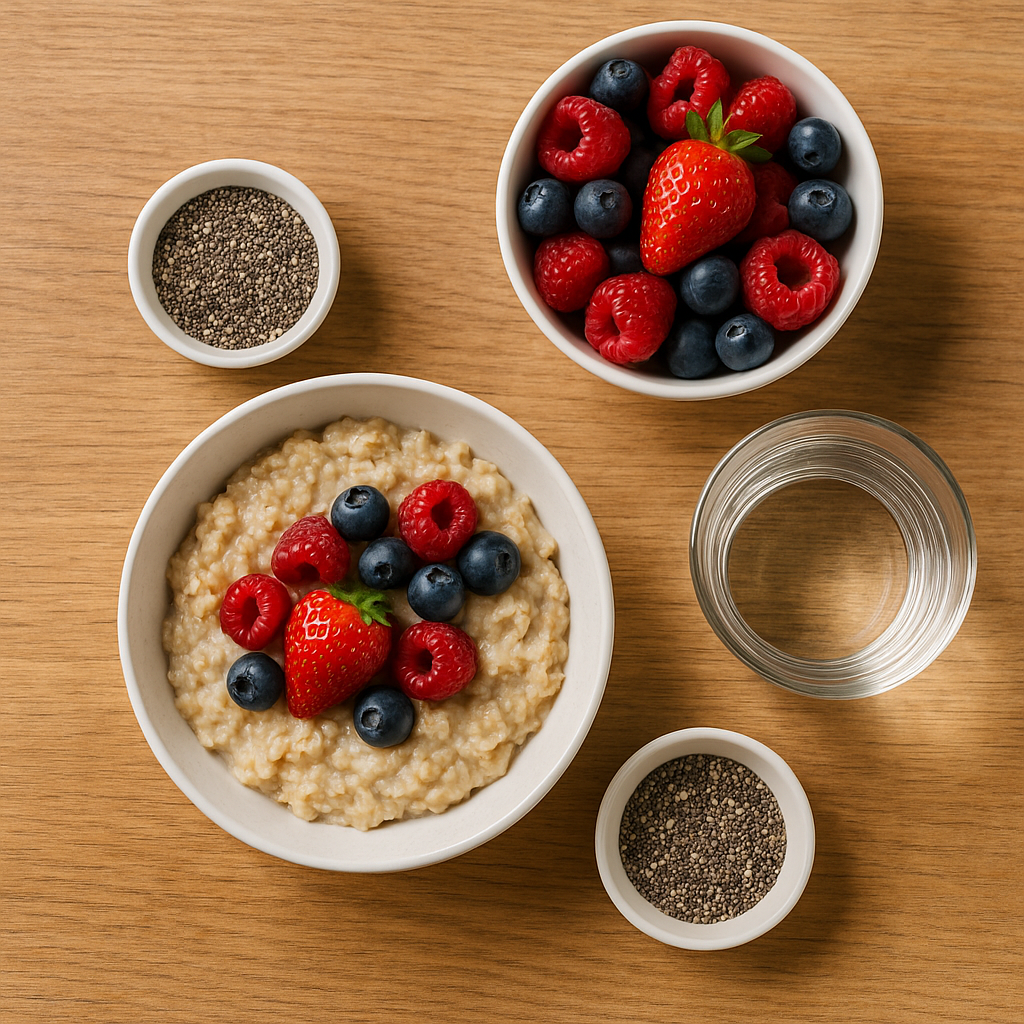
| Oatmeal | 4 g per cup | Gentle on digestion and supports heart health | Serve warm with berries or chia seeds |
| Chia seeds | 10 g per oz | Adds omega-3s and promotes fullness | Stir into yogurt or overnight oats |
| Lentils | 15 g per cup | High in protein and magnesium | Use in soups or stews |
| Prunes | 3 g per 5 pieces | Contain natural sorbitol to soften stool | Eat as a snack or blend into smoothies |
| Pears | 5 g per fruit | Hydrating and antioxidant-rich | Enjoy fresh or baked |
| Leafy greens | 2–4 g per cup | Provide magnesium to stimulate motility | Add to salads or sautéed dishes |
| Beans (black | kidney) | 12–15 g per cup | Add to soups or mixed bowls |
| Flaxseed | 8 g per 2 tbsp | Supports heart and bowel health | Blend into oatmeal or muffins |
| Barley | 6 g per cup | Improves satiety and gut flora | Use as a base for grain bowls |
| Broccoli | 5 g per cup | Contains sulforaphane for gut health | Steam or roast with olive oil |
| Apples | 4 g per fruit | High in pectin which softens stool | Eat raw or sliced with nut butter |
| Sweet potatoes | 5 g per medium | Offer potassium and beta-carotene | Bake or mash with skin on |
2. Focus on Hydration and Electrolyte Balance
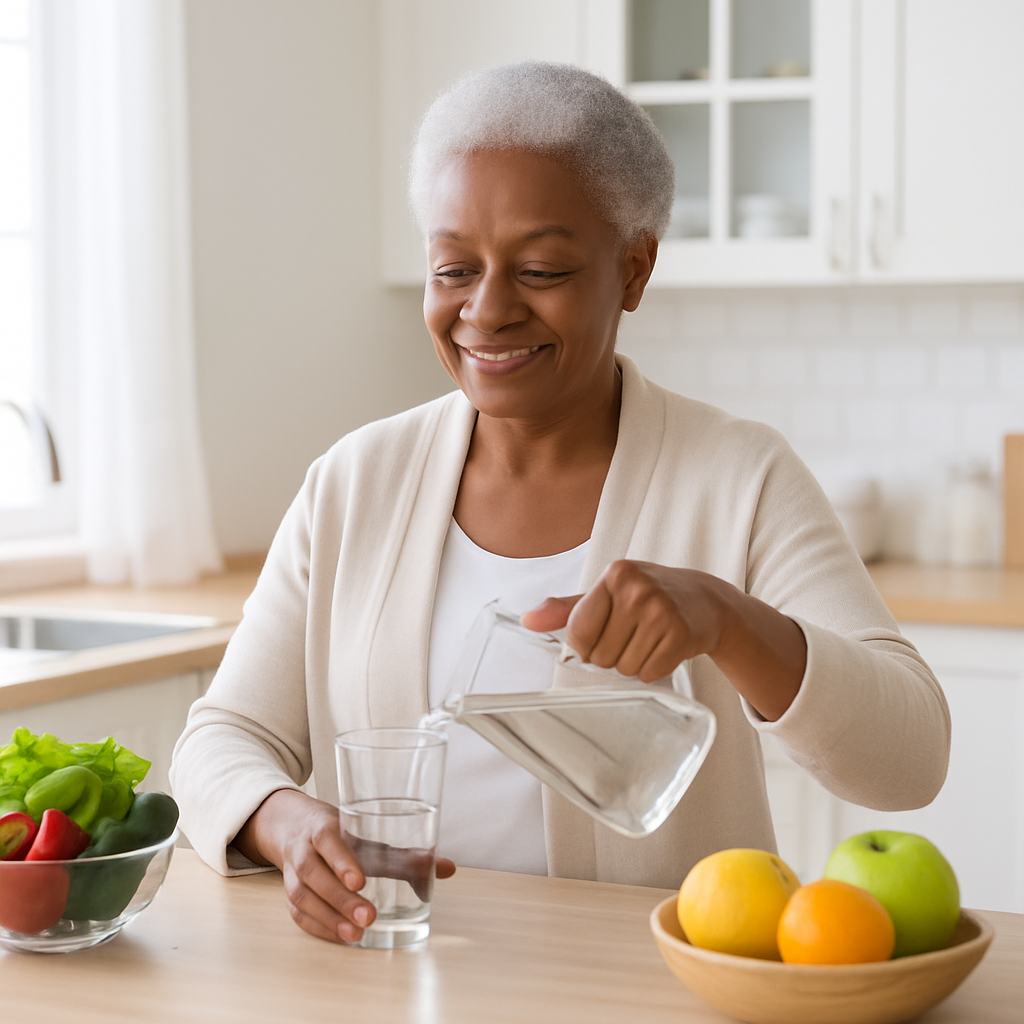
Water alone isn’t enough; the body also needs electrolytes to maintain muscle contractions in the intestines. Encourage seniors to drink small amounts consistently throughout the day rather than large amounts all at once.
Practical strategies include:
- Keeping a filled water bottle visible in common areas.
- Pairing water with meals and snacks.
- Offering herbal teas or diluted fruit juice if plain water is unappealing.
- Serving foods rich in fluid, such as soups, smoothies, and melons.
For an in-depth breakdown of balanced hydration strategies, see our full article on Hydration for Seniors.
If dehydration or medication use complicates regularity, low-sugar hydration mixes can help. The Best Electrolyte Drinks for Seniors (2025 Guide) explains which options are safest for older adults.
3. Feed the Gut Microbiome
The gut microbiome — trillions of bacteria that line the intestines — plays a major role in bowel health. When balanced, these organisms produce short-chain fatty acids that nourish the colon and enhance motility.
Encourage probiotic-rich foods like yogurt with live cultures, kefir, miso, and sauerkraut. Pair them with prebiotics — fibers that feed healthy bacteria — found in oats, bananas, garlic, onions, and asparagus.
Over time, this combination improves stool consistency and decreases the need for laxatives. For seniors on antibiotics or long-term medications, reintroducing probiotics can significantly shorten recovery time for the digestive system.
4. Establish a Meal Routine That Trains the Bowel
Eating at consistent times each day helps regulate the body’s natural “gastrocolic reflex,” which signals the colon to move after meals. The effect is strongest after breakfast.
A sample daily rhythm might look like this:
- Breakfast: Oatmeal topped with berries and chia seeds — a blend of soluble fiber and antioxidants.
- Lunch: Lentil soup with a whole-grain roll and side salad — rich in insoluble fiber and magnesium.
- Snack: Yogurt with flaxseed and water — probiotics and omega-3s for smoother stool passage.
- Dinner: Salmon, barley, and steamed broccoli — fiber, healthy fat, and natural electrolytes.
- Evening: Warm herbal tea and a short walk — gentle movement to encourage overnight motility.
Within 7–14 days, most adults notice less straining and more consistent results.
5. Gentle Daily Movement and Positioning
Physical movement stimulates bowel contractions. Even light activities like chair exercises, tai chi, or walking hallways after meals can dramatically reduce constipation in older adults.
When using the bathroom, posture also matters. Placing a small footstool under the feet helps align the colon for easier elimination, reducing strain and pressure.
Consistency is key — not intensity. A few minutes of gentle movement each day is often more effective than occasional vigorous activity.
6. Fiber Supplements When Food Isn’t Enough
When dietary changes aren’t sufficient, fiber supplements offer an easy bridge. Psyllium husk, inulin, and partially hydrolyzed guar gum are well-researched and safe for seniors. These soluble fibers absorb water, form a gel, and soften stool naturally.
Unlike stimulant laxatives, fiber supplements support long-term bowel health without dependency. Our Best Fiber Supplements for Seniors (2025 Guide) explains how to select safe, research-backed products for older adults.
When to Seek Medical Guidance
Constipation that lasts more than three weeks despite lifestyle adjustments deserves evaluation. Warning signs include blood in stool, severe abdominal pain, unexplained weight loss, or vomiting.
In some cases, constipation signals an underlying condition such as hypothyroidism, diabetes, or Parkinson’s disease. Early medical review allows for lab testing, medication adjustments, or targeted therapies before complications arise.
For caregivers, the rule of thumb is simple: if there’s persistent change or discomfort, get it checked. Prevention is far easier than treatment once impaction develops.
Creating a Consistent Bowel Routine
The digestive system thrives on rhythm. Encourage older adults to:
- Eat and hydrate on schedule. The colon responds predictably to consistency.
- Respond promptly to urges. Ignoring the signal can desensitize the reflex over time.
- Track patterns. A simple log of meal times, fluid intake, and bowel movements helps identify triggers.
- Add “fiber boosters.” Include fruit at breakfast, beans at lunch, and vegetables at dinner.
- Review medications regularly. Even small changes can restore normal function.
These simple practices reduce constipation risk dramatically and support broader health goals like improved energy and better sleep.
Caregiver Quick-Reference Summary
Five Daily Habits to Prevent Constipation in Seniors
- Add fiber with every meal. Combine oatmeal or chia at breakfast, beans at lunch, and leafy greens at dinner. Each contributes a unique type of fiber for better texture and movement.
- Encourage regular hydration. Offer water, herbal tea, or soup every two hours rather than waiting for thirst. Small, steady sips are more effective than infrequent gulps.
- Promote movement after meals. Even five minutes of walking can help “wake up” the colon. For those with mobility issues, chair-based stretches work well.
- Maintain bathroom privacy and timing. Encourage the same window each morning when the gastrocolic reflex is strongest. Avoid rushing.
- Monitor warning signs. Track stool frequency and comfort. Report new pain, bleeding, or extended absence of stool to a clinician promptly.
Consistency — not perfection — makes the difference between chronic constipation and comfortable regularity.
Frequently Asked Questions
1. How often should seniors have a bowel movement?
There is no single “correct” frequency. Most healthy adults pass stool anywhere between once a day and once every other day. What matters more is the ease and comfort of the movement. If stool remains soft and passes without straining, that pattern is healthy.
2. What are the best foods for constipation relief in seniors?
Foods rich in fiber and moisture provide the greatest benefit. Oats, lentils, pears, prunes, and leafy greens support soft, regular stools. Combining fiber-dense meals with fluids — such as soup or herbal tea — enhances the effect.
3. Can dehydration alone cause constipation in older adults?
Absolutely. The colon reabsorbs extra water when the body is dehydrated, producing dry, hard stool. Even mild fluid deficits slow digestion. Encourage small, frequent sips of water and incorporate hydrating foods like melon, cucumber, and oranges.
4. Are laxatives safe for long-term use?
Occasional use of mild osmotic laxatives is generally safe under medical supervision. However, frequent stimulant laxative use can create dependency and damage intestinal tone. It’s always better to build regularity naturally through diet and hydration first.
5. How much fiber should seniors aim for daily?
Most older adults benefit from 25–30 grams of fiber per day. The best approach is variety — soluble and insoluble fibers together. Gradual increases help avoid bloating or discomfort while promoting long-term regularity.
6. Is prune juice really effective for constipation in elderly people?
Yes. Prunes and prune juice contain both fiber and sorbitol, a natural sugar alcohol that draws water into the intestines. A half cup per day is usually enough to improve stool consistency without causing diarrhea.
7. Can constipation cause confusion or agitation in seniors?
Severe constipation can lead to discomfort, pain, and even delirium in frail older adults. When stool backs up, pressure and inflammation can contribute to poor sleep and confusion. Relieving constipation often improves mental clarity and calmness.
8. What foods should be limited to prevent constipation?
Highly processed foods, red meat, cheese, and fried snacks slow digestion. These foods are low in fiber and high in fat, both of which delay transit time. Replace them gradually with whole grains, fruits, and vegetables.
9. How does physical activity help bowel regularity?
Movement increases blood flow to the intestines and triggers peristalsis — the muscular contractions that move stool. Even simple routines such as light stretching, walking, or gentle yoga improve bowel frequency.
10. When should constipation in a senior be considered an emergency?
If an older adult has severe abdominal pain, vomiting, or no bowel movement for more than four days, seek medical attention. These symptoms could indicate obstruction or impaction and require urgent evaluation.
Disclaimer
This article is for educational purposes only and does not replace individualized medical advice. Always consult your healthcare provider before making significant changes to diet, medication, or bowel routines.