
Introduction
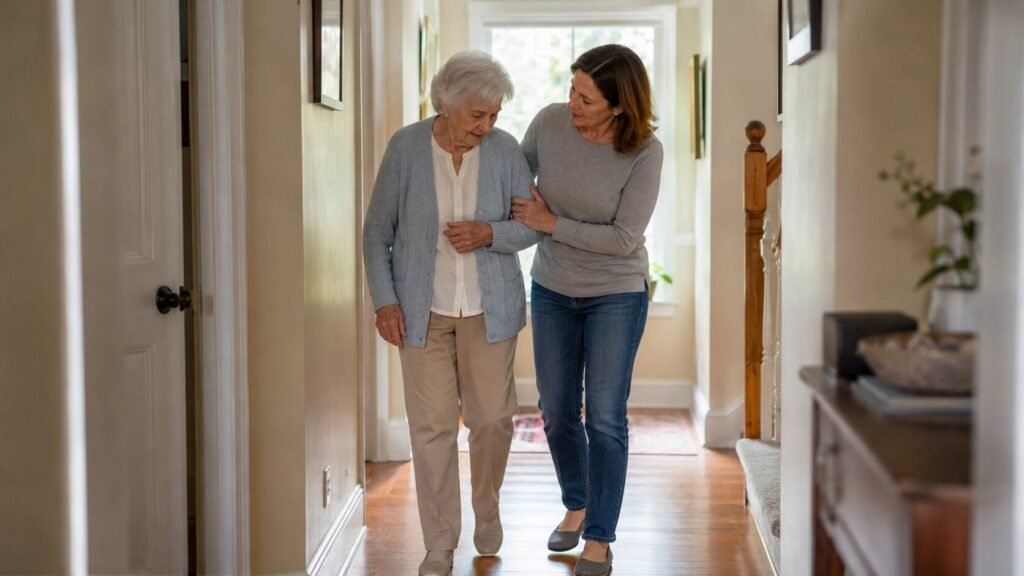
Most caregivers approach an aging parent with nothing but love and good intentions — and that is exactly why so many senior mobility mistakes go unnoticed for years. We rush to grab an arm, carry every bag, push the wheelchair when a parent could walk, and quietly take over the tasks that look a little risky. Each small act feels caring in the moment. Added together over months, though, these well-meaning habits can do the opposite of what we intend. They can speed up the very decline we are trying to prevent. The hardest truth in caregiving is that helping too much is its own kind of harm.
This guide walks through what caregivers most often get wrong about senior mobility, why those errors backfire, and the calm, practical habits that protect a loved one’s strength and independence instead of eroding it. None of this is about blame — the people who make these mistakes are usually the most devoted caregivers of all. It is simply about replacing instinct with information, so that the help we give actually keeps our loved ones moving.
Doctor’s Note
As a wound care physician, I often see patients whose mobility declines not because of a major illness, but because family members gradually begin doing more and more for them. The loss of strength is usually subtle at first. A patient who once walked to the dining room starts eating in a recliner. A patient who could stand independently begins waiting for assistance. Small changes add up quickly, which is why preserving safe daily movement is so important.
Why Caregivers Get Senior Mobility So Wrong
To understand these mistakes, it helps to understand the fear underneath them. Falls are genuinely dangerous. According to the CDC, more than one in four adults aged sixty-five and older fall every year, and roughly thirty-seven percent of those who fall are injured badly enough to need medical care. Every caregiver has either witnessed a frightening fall or heard a story about one, and that fear sits in the background of every decision. When a parent wobbles, the instinct is to remove all risk — to do everything for them so they never have the chance to fall.
The problem is that mobility is a use-it-or-lose-it system. Muscles, balance, and confidence are not fixed traits; they respond to daily demand. When a caregiver removes every physical challenge, the body quietly downsizes its capacity to match. This is the central irony behind most senior mobility mistakes: the more we shield a loved one from movement, the weaker and less steady they become, which makes a future fall more likely, not less. Good caregiving has to hold two truths at once — falls are dangerous, and so is the inactivity we use to prevent them. Our guide on the role of caregivers in senior mobility explores this balancing act in more depth.
There is also an emotional layer. Helping feels good, and it feels like proof that we care. Stepping back can feel like neglect, even when it is the more loving choice. Recognizing that pull — the urge to help because it soothes our anxiety rather than because the senior needs it — is the first step toward avoiding the most common caregiver mistakes.
The Three Pillars of Supporting Senior Mobility
Nearly every error caregivers make traces back to getting one of three principles wrong. The first pillar is movement is medicine. Physical activity is not optional maintenance for older adults — it is treatment. The National Institute on Aging notes that regular movement protects against the age-related loss of muscle and strength, improves balance, and lowers the risk of falls and serious injury. A senior who keeps moving is actively building the very stability that keeps them upright. Our overview of the benefits of staying mobile as you age breaks down just how protective daily activity really is. Many senior mobility mistakes come from forgetting this and treating rest as the safer default.
The second pillar is the right amount of help. Support should rise and fall to match the actual need, never more. Researchers call the goal “minimal effective assistance” — do the smallest amount that keeps the person safe, and let them do everything else. Too little help is obviously risky. But too much help is the quieter, more common error, because it never looks like a problem from the outside.
The third pillar is dignity and autonomy. A senior is an adult with the right to make choices about their own body and pace, including some choices that carry risk. Caregiving that ignores this — that decides everything for the senior — tends to produce resistance, withdrawal, and a loss of the motivation to move at all. Keeping these three pillars in view turns the abstract worry about senior mobility mistakes into something concrete you can check yourself against, day to day.
What These Mistakes Actually Look Like at Home
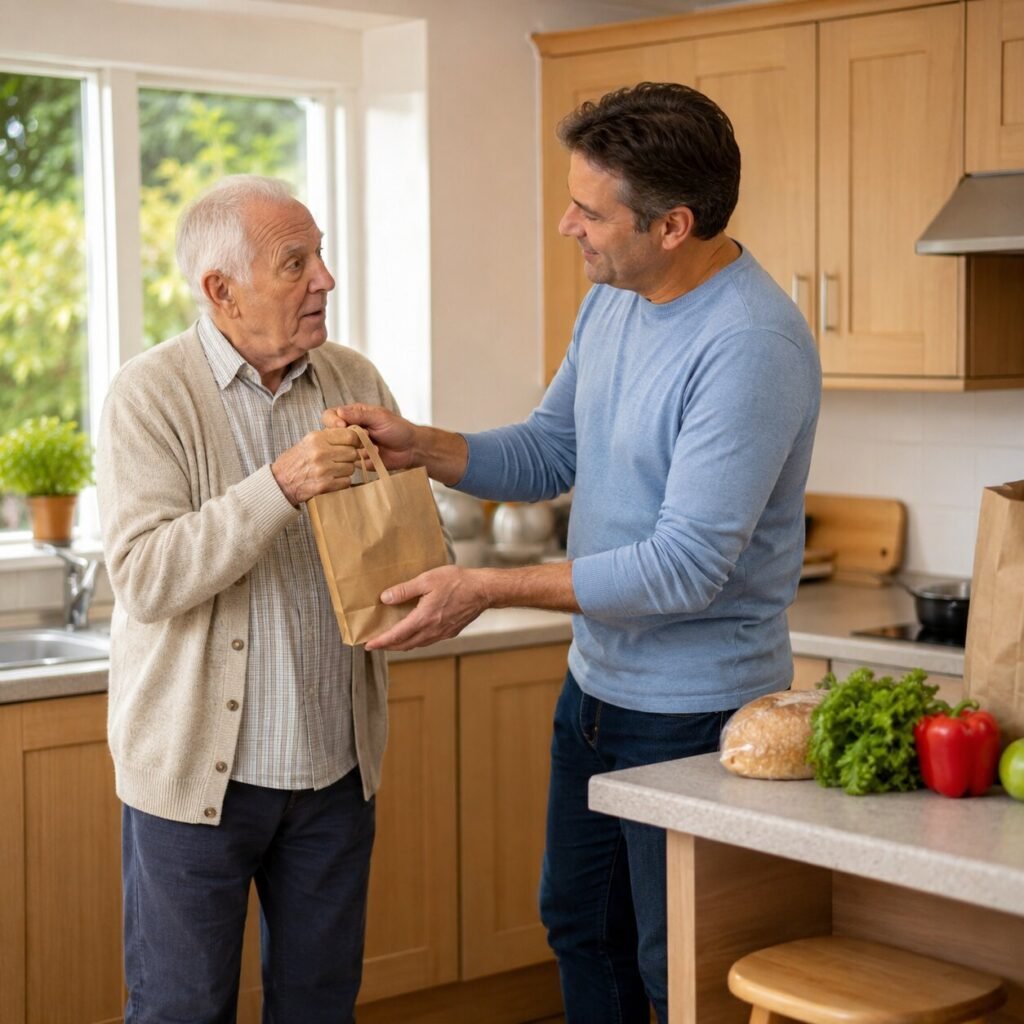
Senior mobility mistakes rarely announce themselves. They hide inside ordinary, loving moments. A daughter grabs her father’s arm the instant he stands, every single time, even when he is perfectly steady. A son insists on carrying the laundry basket up the stairs, so his mother stops climbing stairs at all. A caregiver brings every meal to the recliner instead of walking the senior to the table, because it is faster and feels kinder. None of these look like errors in the moment. Each one quietly removes a small daily dose of movement.
Watch for the pattern over weeks rather than minutes. Has your loved one stopped doing things they used to manage — not because they tried and failed, but because someone always does it for them first? Do they wait to be helped up rather than rising on their own? Has the walker been replaced by a wheelchair “just to be safe,” even though they could still walk short distances? These shifts are the fingerprints of well-intentioned over-help, and they are far more common than outright neglect.
There is also a verbal tell. When a senior says “just let me do it” or pulls their arm away, that is not stubbornness to be managed — it is often an accurate report that the help has become too much. Overprotecting an elderly parent frequently shows up first as small friction like this, long before anyone names the deeper problem. Listening to those moments, instead of overriding them, is one of the simplest ways to catch these mistakes early.
Signs You May Be Over-Helping
- You routinely carry items your loved one can safely carry.
- Meals are brought to them instead of walking to the table.
- You automatically grab their arm every time they stand.
- You push the wheelchair even when they can still walk short distances.
- They frequently say, “Let me do it myself.”
The Over-Helping Trap: Doing Too Much, Too Soon
The single most damaging of all senior mobility mistakes is chronic over-helping — stepping in before help is needed and doing tasks the senior could still do themselves. It is damaging precisely because it feels so caring. Carrying everything, lifting under both arms at every transfer, steering the wheelchair when the legs still work: each act trades a moment of effort for a moment of ease, and the bill comes due slowly, as lost strength.
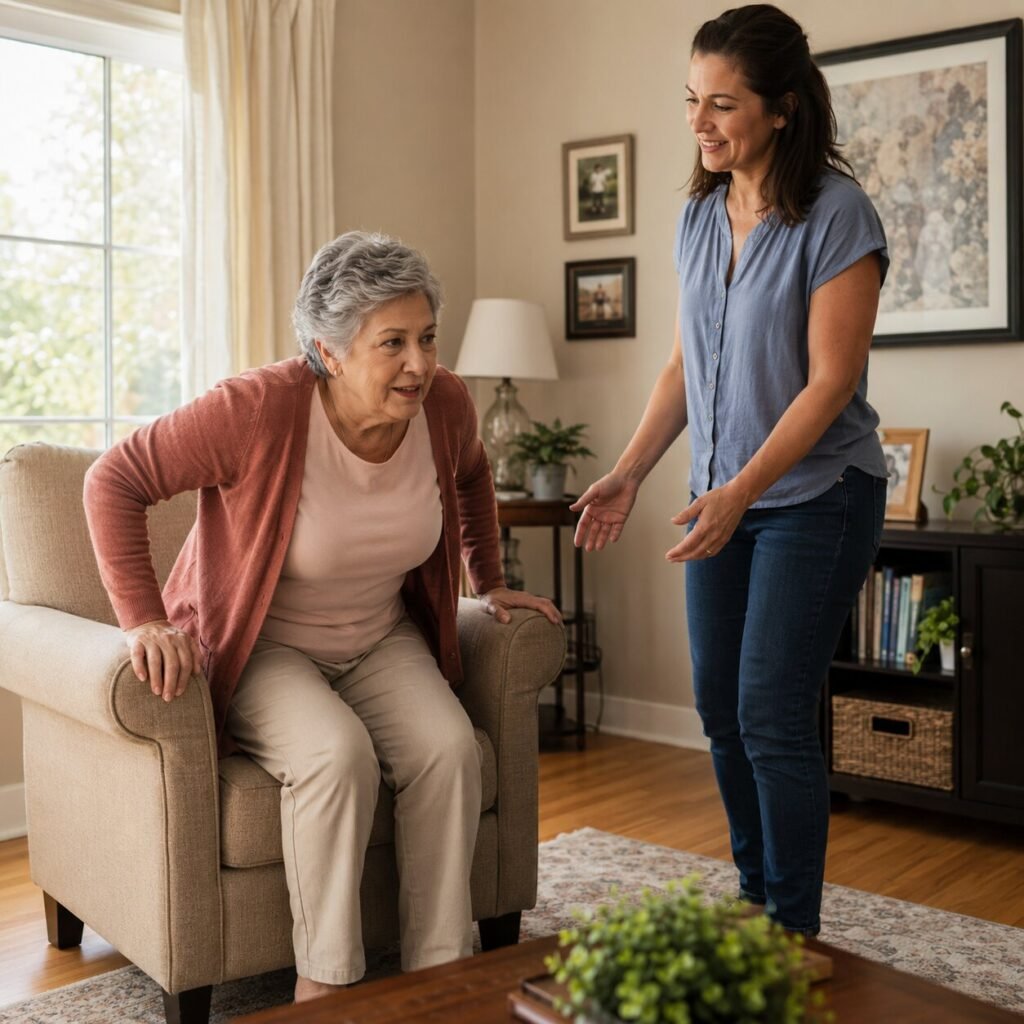
The fix is a simple mental habit: pause before you help, and ask whether your loved one actually needs this, or whether you are just faster. Offer the chance before offering the hand. Instead of grabbing the bag, ask, “Do you want to carry this, or should I?” Instead of pulling someone up, position yourself nearby and say, “Take your time, push up from the armrests, I’m right here.” This is the heart of encouraging senior independence — you remain fully available, but you let the senior do the work their body needs to stay capable.
Reframe “doing for” as “doing with.” Fold the laundry together rather than whisking it away. Walk to the kitchen alongside them rather than carrying the plate. The task still gets done, the senior stays safe, and they keep the movement that maintains their muscles and balance. Over time, this single change — help with, not help instead of — reverses one of the most common caregiver mistakes and is one of the most reliable ways of helping seniors stay mobile.
Hovering, Rushing, and the Wrong Kind of Help
Even caregivers who avoid doing too much often deliver the help itself in ways that quietly undermine mobility. Hovering is a clear example. Standing too close, hands always inches from the senior’s body, sends a constant message: you are about to fall. That message erodes confidence, and lost confidence changes how a person moves — shorter steps, tense muscles, eyes down on the floor — which ironically makes a stumble more likely. The better position is a calm half-step to the side, present and ready but not crowding. Be a spotter, not a clamp.
Rushing is the second wrong-kind-of-help error. Mobility takes older adults more time, and time pressure is one of the biggest hidden causes of falls. When a caregiver hurries a senior — “come on, we’re late,” tugging them along — the senior moves faster than their balance allows. Build in extra time so movement never has to be rushed, and let the senior set the pace. Slow and steady is not a delay to be fixed; it is the safe way to move.
The third error is grabbing the wrong part of the body. Pulling on a hand, wrist, or upper arm can throw a senior off balance, injure a fragile shoulder, or actually cause the fall it was meant to prevent. When physical help is genuinely needed, the safest approach is to support near the trunk or use a proper gait belt, and to guide rather than yank. Many caregivers have never been shown the correct technique — which is itself one of the avoidable senior mobility mistakes. A single session with a physical or occupational therapist can teach the right way to assist a transfer, and it is worth requesting at the next medical visit.
Ignoring the Environment and the Right Equipment
Caregivers naturally focus on the person, but some of the most consequential senior mobility mistakes are about the spaces and tools around them. A senior can be doing everything right and still be set up to fall by a cluttered hallway, a loose rug, poor lighting, or a chair that is too low to rise from. Before assuming a loved one is “getting unsteady,” look hard at the environment. Clear walking paths, secure or remove loose rugs, add nightlights along the route to the bathroom, and make sure the chairs they use most have firm seats and sturdy armrests.
The opposite error is just as common: refusing the equipment that would actually help. Families sometimes resist canes, walkers, grab bars, or raised toilet seats because the devices feel like symbols of decline. But the right aid does not weaken a senior — it gives them a stable base so they can keep moving and stay active.
One common misconception is that using a walker will make a senior dependent on it. In reality, the opposite is often true. The right walker can improve stability and confidence, allowing an older adult to remain active and continue walking safely rather than avoiding movement out of fear of falling.
Choosing the correct device, sized and fitted properly, is a skill in itself, and using the wrong one can cause more problems than it solves. When mobility starts to change, the goal is to match the tool to the need rather than to avoid tools altogether.
Finally, do not let the home become a place where nothing happens. Build gentle movement into the daily routine: a short walk to the mailbox, standing while talking on the phone, a few sit-to-stands from a kitchen chair, a slow loop around the yard. These small habits add up, and they are far easier to sustain than a formal exercise program. Our guide to simple daily habits to improve senior mobility offers a practical menu of these everyday movements. Knowing how caregivers can support senior mobility through the environment — not just through hands-on help — closes one of the biggest gaps in everyday care.
Special Considerations: Dementia, Recovery, and Caregiver Burnout
The right amount of help is not the same for every senior, and a few situations call for a different balance. When a loved one has dementia, judgment and memory are impaired, and the priority shifts toward closer supervision and environmental design — keeping the walking path clear and the safest route the easiest one — rather than expecting independent decision-making. Even then, the principle holds: let them do what they safely can, because preserved movement supports both body and mind.
Recovery periods are another exception that caregivers often misread. After a hospital stay, surgery, or a fall, a senior genuinely needs more help for a while — but the danger is letting that temporary support harden into a permanent habit. Follow the care team’s guidance on when to gradually hand activities back, and treat each week as a chance to do a little more. Helping too long after recovery is just a delayed version of the over-helping trap, and it is one of the senior mobility mistakes that most often turns a short setback into a lasting loss of function.
Finally, consider the caregiver. Exhaustion quietly drives bad habits — it is faster to do everything yourself than to wait while a parent does it slowly, and a depleted caregiver almost always defaults to over-helping. Protecting your own rest, sharing the load with family, and accepting outside support are not luxuries; they are part of providing safe care. A rested caregiver has the patience to stand back and coach, which is exactly what good mobility support requires.

Frequently Asked Questions
1. What is the most common mistake caregivers make with senior mobility?
By far the most common error is doing too much — stepping in to lift, carry, and assist before help is actually needed. It feels caring, but every task a caregiver takes over is a small dose of movement the senior no longer gets, and movement is what maintains the muscle and balance that prevent falls. The fix is to pause before helping and ask whether your loved one can do this safely on their own, offering the chance before offering the hand.
2. Can being too protective actually hurt an elderly parent’s mobility?
Yes. Overprotecting an elderly parent — removing every challenge, hovering, and discouraging activity out of fear — leads to deconditioning, where unused muscles weaken and balance declines. That decline makes a serious fall more likely over time, not less. Protectiveness is not wrong, but it has to be aimed at the real risks (clutter, poor lighting, rushing, the wrong footwear) rather than at movement itself, which a senior needs to stay strong.
3. How much should I help a senior who can still walk on their own?
Aim for the minimum amount of help that keeps them safe. If a loved one can walk independently, let them — stay nearby as a calm presence, make sure the path is clear, and step in only if they ask or genuinely struggle. Standing a half-step to the side, ready but not gripping, gives security without taking over. The goal is for the senior to keep doing the work their body can still handle.
4. When should a caregiver step in versus let a senior move independently?
Step in when there is a clear, immediate safety risk — the senior is losing balance, is on a hazardous surface, is fatigued, or specifically asks for help. Let them move independently for routine, manageable activities even if they are slow. A useful rule is to intervene based on actual signs of difficulty in the moment, not on a blanket assumption that everything is too dangerous. When in doubt, coach with words first (“take your time, hold the rail”) before reaching with your hands.
5. How can caregivers encourage seniors to stay active without nagging?
Tie movement to things the senior already enjoys rather than framing it as exercise — walking to see the garden, strolling to a favorite cafe, dancing in the kitchen, playing with grandchildren. Do activities together so it feels like company, not a chore, and praise effort warmly when you see it. Build gentle movement into the daily routine so it becomes ordinary rather than a daily debate. Encouragement and shared activity almost always work better than reminders or pressure.
Final Thoughts: Helping in a Way That Keeps Them Moving
The thread running through nearly all senior mobility mistakes is a good instinct pointed in the wrong direction. We help too much because we love deeply and fear loss. But the most loving help is often the kind that does less — that stands close enough to catch a fall yet far enough to let a parent do the work that keeps them standing. Protect against the real hazards, offer the chance before the hand, and let movement remain a daily part of life. That is how caregiving builds strength instead of quietly spending it.
If you recognized your own habits in these pages, take it as good news rather than guilt. Awareness is most of the battle, and small changes compound quickly. Pause before the next reach. Add one short walk to the day. Let your loved one carry their own cup to the sink. Over weeks, those tiny shifts add up to a senior who is steadier, more confident, and more independent than the path they were on before. Avoiding these mistakes is not about doing more — it is about helping in a way that keeps your loved one moving for as long as possible. If you’re looking for additional practical strategies, our guide on how to support a loved one with limited mobility offers more tips for balancing safety with independence.
Medical Disclaimer: The information provided on this website is for educational purposes only and should not replace professional medical advice. Always consult your physician or qualified healthcare provider regarding any medical condition or treatment decisions.
