
Affiliate Disclaimer: This article contains affiliate links. As an Amazon Associate, Mobility With Ease may earn a small commission from qualifying purchases at no additional cost to you.
Introduction
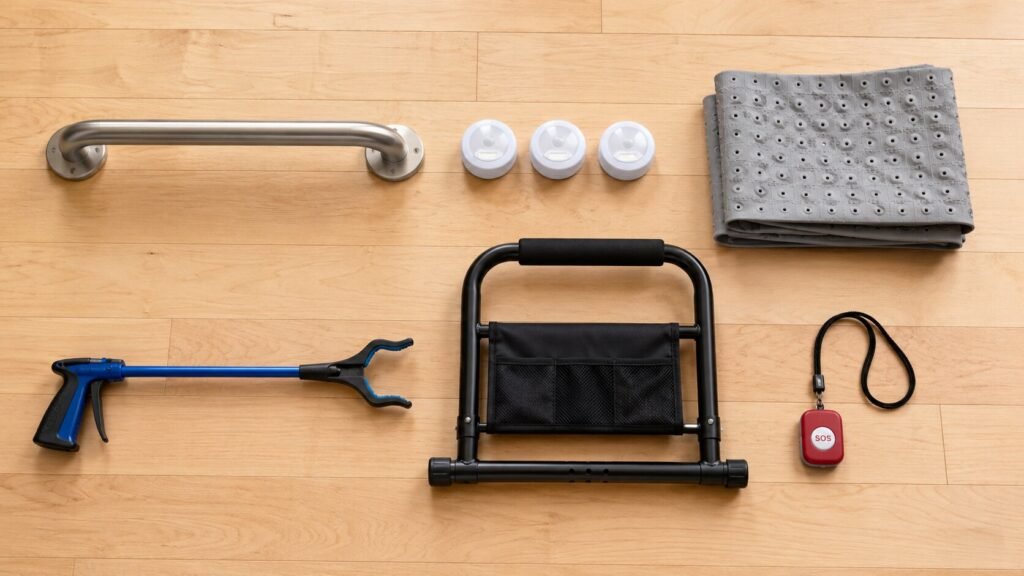
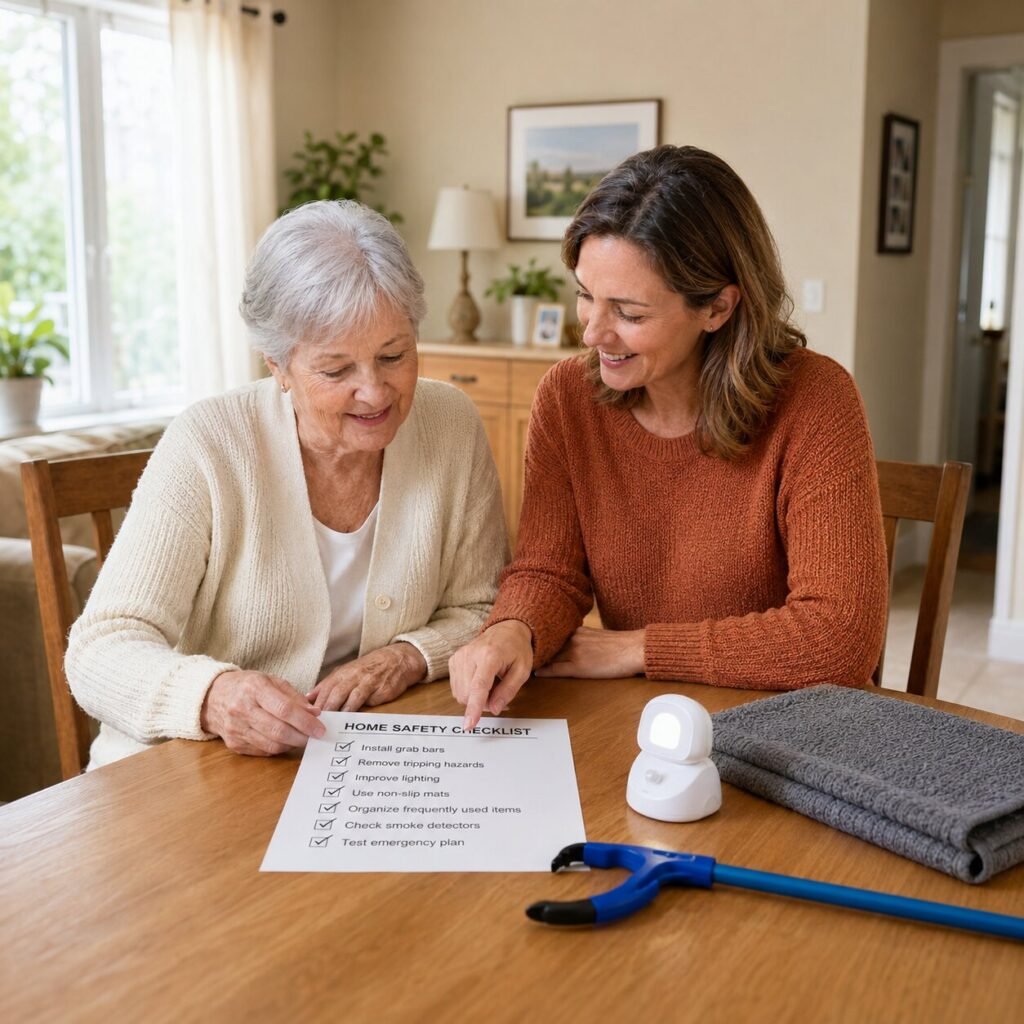
A home safety starter kit for seniors is the smallest set of products that covers the largest share of fall risk in an aging adult’s home. Most families do not need a full renovation. They need a coordinated handful of well-chosen items installed in the right rooms on the same weekend. A complete kit costs less than the deductible on a single emergency room visit, and a well-installed grab bar prevents more falls than any architectural change a contractor will quote.
Unlike emergency preparedness kits that come in a single box, most home safety starter kits for seniors are assembled from individual products. The goal is not to buy a pre-packaged kit, but to combine a small group of proven safety items that address the most common causes of falls at home.
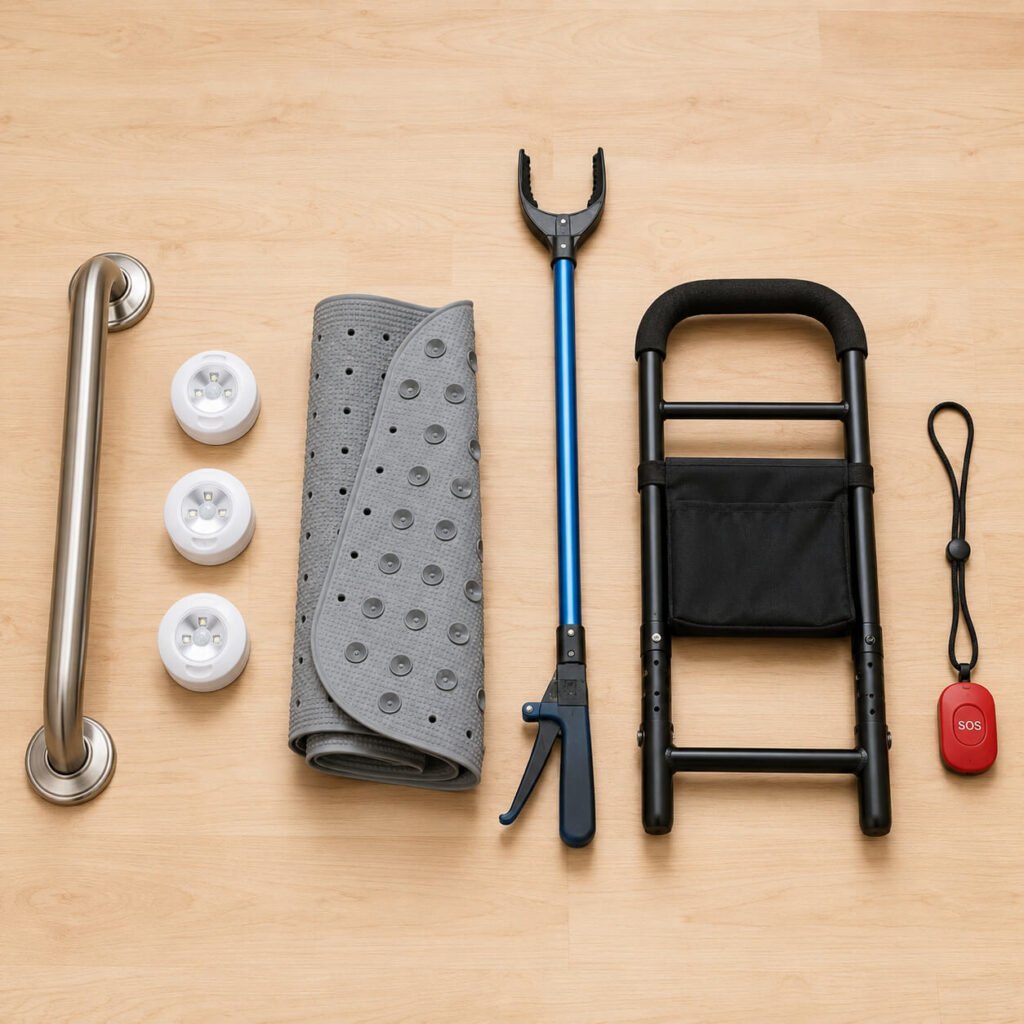
This guide compares the six essentials in a 2026 home safety starter kit for seniors, room by room. Each pick solves a specific failure point that shows up in fall research and emergency room records: the bathtub, the hallway at night, the side of the bed, the kitchen reach, and the moment after a fall when no one else is in the house. Together, the six products turn a normal residence into a low-risk environment without changing a single piece of furniture.
If you already know what you need, use the button below to jump straight to the comparison table.
Why a Home Safety Starter Kit Matters for Seniors
The single most predictable injury in adults over sixty-five is a fall at home. The CDC reports that more than one in four adults age sixty-five and older fall every year, and falls are the leading cause of injury in this age group. Most do not happen during a risky activity. They happen during ordinary moments — stepping out of the tub, walking to the bathroom at two in the morning, reaching for a mug, swinging legs out of bed.
The pattern of where falls happen is well documented. Roughly six in ten happen at home, and within the home the bathroom and bedroom account for the highest share. Hallways and stairs come next, especially in low light. The risk is not concentrated in one obvious place — it is spread across a few high-risk zones, and securing only one of them leaves the others wide open. That is what makes a home safety starter kit for seniors so effective: a coordinated bundle of six products covers every zone at once. For families who want a wider view of fall causes before they shop, our guide to understanding fall risks in seniors walks through the medical and environmental factors behind most home falls.
The financial case is also strong. A single hip fracture in an older adult can cost forty thousand dollars or more in the first year of care, and many seniors never regain their previous independence. A complete kit runs four hundred to eight hundred dollars and installs in under an afternoon — far less than the deductible on the hospital stay it prevents.
Doctor’s Note: Choosing the Right Home Safety Starter Kit for Seniors
I see the same scene every week. An adult son or daughter brings their parent in after a near-fall — not an actual fall yet, just a close call — and asks what they should do. The honest answer is rarely a list of twenty things. It is the same short list of six items I would put in any home safety starter kit for seniors. These six categories solve roughly eighty percent of the home fall risk I see without changing the structure of the house.
The first question I ask is which rooms the senior uses the most. The answer is almost always bathroom, bedroom, kitchen, and the chair where they watch television. That short list maps directly onto the kit. The bathroom gets the grab bar and the bath mat. The bedroom gets the bedside assist rail and at least one motion sensor light. The hallway and bathroom path get the rest of the motion lights. The kitchen and living room get the reacher. The medical alert pendant goes wherever the senior is.
The kit only works if it is installed correctly. A grab bar screwed into drywall is not a grab bar — it is decoration. A bath mat that has not been pressed firmly onto a clean tub will lift the first time someone shifts weight. A motion light placed too high will trigger after the senior has already taken three steps in the dark. Families who want to make the home safer without major renovations get the highest return here because each piece installs without permanent construction work.
Best Home Safety Starter Kit for Seniors (Top Picks)
Best Bathroom Grab Bar
Moen 8724 Home Care 24-Inch Stainless Steel Grab Bar
The Moen 8724 is the single most important component of the kit, because the bathroom is where the most serious home falls happen. The 24-inch stainless steel bar is ADA-compliant, supports up to 500 pounds when anchored into a wall stud or with Moen’s SecureMount system, and uses concealed screws so it looks like a finished fixture rather than a medical device. The 1.25-inch diameter grips naturally with wet hands, and Moen backs it with a limited lifetime warranty. One bar mounted horizontally beside the tub is the minimum; most homes need a second mounted vertically next to the toilet for sit-to-stand support.
Pros
- ADA-compliant 24-inch stainless steel grab bar — supports up to 500 pounds when properly anchored
- Concealed screws give it a finished look, not a medical look
- SecureMount design allows installation at any angle on the wall
- Limited lifetime warranty — the longest in the category
- 1.25-inch diameter is comfortable for most adult hands wet or dry
Cons
- Must be anchored into a wall stud or with the SecureMount kit — surface drywall screws alone are not safe
- One bar covers one location; a full bathroom usually needs two or three

- DURABLE & SUPPORTIVE CONSTRUCTION: 24-inch long stainless steel grab bar with 1.25 inch diameter; supports up to 500 lbs when installed in a stud or when using SecureMounts (not included)
- EASY INSTALLATION: SecureMount design for easy, secure installation (sold separately) delivering safety and peace of mind
- STYLISH STAINLESS FINISH: Stainless finish delivers a lightly brushed warm gray metallic look and coordinates with other Moen bathroom accessories and hardware

Best Motion Sensor Night Lights
Mr Beams MB710 Wireless Battery-Powered Motion-Sensing LED Nightlight (3-Pack)
Nighttime falls are one of the most preventable categories of senior injury, and a good motion sensor light is the cheapest fix in the kit. The Mr Beams MB710 3-pack is battery-operated, sticks anywhere with the included mounting hardware, and lights automatically when motion is detected in a dark room. Three lights cover the most critical points on the nighttime walking path in one purchase: bedside, hallway, and bathroom doorway — the three highest-risk transitions for an overnight fall. The white LED is bright enough to walk safely by but dim enough not to disrupt sleep.
Pros
- Three lights cover the highest-risk points on the nighttime walking path — bedside, hallway, and bathroom doorway
- Battery-operated — no wiring, no outlet required
- Sticks anywhere with included mounting hardware — installs in under a minute per light
- Automatic motion sensing turns the light on before the senior takes a step
- Built-in light sensor keeps the light off in daytime to preserve battery
Cons
- Three lights cover the main path — larger homes may need a second pack for stairs and additional rooms
- Adhesive can lose grip on textured walls — mount on smooth painted surfaces or trim

- The battery-operated night light offers a sleek, modern design to complement any home décor. Three Pack set of MB710 LED nightlight
- The wireless, motion sensor LED night light provides 15 lumens of light to increase safety around the home, including hallways, stairways and bathrooms
- The unique diffuser on the face of the automatic night light spreads the light for a wider coverage area to provide effective safety Lighting
Best Non-Slip Bath Mat
Gorilla Grip Patented Bath Tub Shower Mat (35 x 16 inch)
The Gorilla Grip Original is the inside-the-tub counterpart to the grab bar and the second most important item in the kit. Hundreds of patented suction cups anchor the mat to the tub floor, and a hexagon-textured top surface gives bare feet meaningful traction even when soaped. Drainage holes prevent water pooling underneath, which is what causes cheap mats to slide. At 35 by 16 inches it covers the full length of a standard tub — important because most falls happen near the step-in edge. The mat is BPA-free, machine washable, and lasts roughly two years before the suction cups soften. It only adheres to smooth surfaces, so it works in fiberglass and porcelain tubs but not on textured or tiled shower floors.
Pros
- Patented suction-cup anchor system — one of the few mats that actually stays in place
- 35 by 16 inch coverage protects the full length of a standard bathtub
- Hundreds of drainage holes prevent water pooling and mold
- Machine washable — lifts and rinses clean
- BPA-free and rated for roughly two years of daily use
Cons
- Only adheres to smooth surfaces — not for textured or tiled shower floors
- Suction cups soften over time and need replacement after about two years
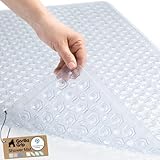
- PATENTED DESIGN WITH POWERFUL SUCTION GRIP: a bath mat designed to securely stay in place; this patented bathtub mat features hundreds of suction cups that effectively help secure the tub mat to your...
- EASY WATER DRAINAGE: hundreds of drainage holes allow for water to easily flow under the bath tub mat and toward the drain, helping to prevent water from sitting stagnant beneath the shower mat in...
- TEXTURED AND BPA-FREE: the bath mat is constructed from BPA-free materials; it features a unique hexagon design with a pebble-textured topside that is soft on feet; this bathroom mat is soft...
Best Reacher and Grabber
RMS Featherweight The Original Reacher (32-inch)
The RMS Featherweight is the smallest item in the kit and one of the most underrated tools in fall prevention. Many dangerous falls happen when a senior climbs onto a chair to retrieve something out of reach. A 32-inch reacher with a contoured trigger handle and textured rubber jaws removes that motion entirely. The Featherweight is aircraft-grade aluminum, weighs under nine ounces, and includes a clip that attaches to a cane, walker, or bed rail. The jaws open wide enough to grip a mug, remote, sock, or dropped pill bottle without crushing. RMS sells these in two-packs so one can stay in the kitchen and one in the bedroom.
Pros
- 32-inch reach removes the need to climb on chairs or step stools
- Lightweight aluminum — suitable for seniors with arthritis or weak grip
- Contoured trigger handle works with reduced hand strength
- Textured rubber jaws grip mugs, pill bottles, remotes, and laundry
- Includes a clip that attaches to canes, walkers, or bed rails
Cons
- Trigger requires some finger strength — severe hand arthritis may need a powered grabber instead
- Single unit covers one room; most households keep one upstairs and one downstairs

- DESIGNED FOR LONG-TERM MOBILITY & REACH LIMITATIONS - The RMS Featherweight Original Reacher is an orthopedic daily living aid designed for individuals with chronic mobility, reach, or flexibility...
- EXTENDED REACH FOR EVERYDAY TASKS - Available in 26-inch or 32-inch lengths, this reacher allows users to retrieve items from the floor, shelves, behind furniture, or tight spaces while maintaining...
- ERGONOMIC HANDLE & EASY-PULL TRIGGER - Features a contoured handle and smooth trigger designed to support controlled use and reduce hand fatigue, making it easier to operate for individuals with...
Best Bedside Assist Rail
Stander BedCane Adult Bed Rail and Support Handle
The Stander BedCane is the bedroom anchor of the kit. The unit slides between the mattress and box spring, secures with a safety strap, and provides a tall padded handle right at the bedside. The senior grips the handle while still lying down, pulls up to sitting, and uses the same handle to lever up to standing — one continuous motion. It is ASTM F3186-17 safety approved, supports up to 300 pounds, and fits twin through California king beds. A small pouch holds a phone, glasses, and the medical alert pendant overnight so the senior never has to reach for the bedside table in the dark.
Pros
- ASTM F3186-17 safety approved — one of the only consumer bed rails with this certification
- Tool-free assembly — slides between mattress and box spring with safety strap
- Padded ergonomic top handle gives a stable grip from lying, sitting, and standing
- Supports up to 300 pounds; fits twin, full, queen, king, and California king beds
- Storage pouch keeps phone, glasses, and medical alert pendant within reach overnight
Cons
- Does not work with platform beds that lack a box spring or with adjustable beds where the strap cannot anchor
- Single-side rail — a senior who exits both sides of the bed needs two units
No products found.
Best Medical Alert / SOS
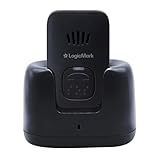
The LogicMark Guardian Alert 911 Plus
The most advanced safety device in this kit because it provides direct access to emergency help without requiring a landline, monthly subscription, or nearby caregiver. The waterproof pendant features built-in fall detection and can connect directly to 911 through its cellular network when a fall or emergency occurs. Unlike traditional medical alert systems that rely on family members answering a call, the Guardian Alert is designed to summon professional help immediately.
Pros
- Direct 911 access through a built-in cellular connection — no landline required
- Automatic fall detection can trigger an emergency call even if the senior cannot press the button
- No monthly subscription fees or monitoring contracts
- Waterproof pendant can be worn in the shower, where many serious falls occur
- Two-way voice communication allows the user to speak directly with emergency responders
- Works throughout the home and yard, providing broader coverage than traditional base-station systems
Cons
- Significantly more expensive than basic medical alert systems
- Directly contacts 911 rather than family members, which may not be ideal for non-emergency situations
- Requires periodic charging to maintain functionality
- Fall detection technology can occasionally generate false alarms
- Cellular coverage may vary in rural areas or buildings with poor signal strength
- NO MONTHLY FEES: Unlike other types of emergency devices, there are no monthly fees required to operate this device. That means you can call for help with a push of a button from anywhere, anytime.
- 24/7 PROTECTION: The ultimate personal emergency response device, providing safety at home and on the go with the touch of a button. Communicate directly with emergency personnel in the event of a...
- FALL DETECTION: Proprietary technology detects falls and sudden movements, triggering alerts to Emergency Services or an emergency contact — even if the person is unable to press the button.
Educational Overview: What Goes in a Home Safety Starter Kit?
A home safety starter kit for seniors is built around the four high-risk zones in any home: the bathroom, the bedroom, the hallway, and the emergency moment. Each zone has a documented pattern of how falls happen, and each product targets that pattern. The grab bar and bath mat protect the bathroom. The bedside rail protects the bedroom. The motion sensor lights protect the hallway at night. The reacher protects the kitchen and living room from the high-shelf and low-corner reach problem. The medical alert covers the moment after a fall has already happened.
According to the National Institute on Aging, the major contributors to falls in older adults are muscle weakness, balance problems, vision changes, medication side effects, and home hazards. The first four are slow to change and require medical involvement. Home hazards is the one a family can fix in a single weekend, and the kit is the direct, low-cost intervention against it.
The bathroom is almost always the most urgent room. Wet feet, hard surfaces, low light, and the seated-to-standing motion of using a toilet or stepping out of a tub combine to make it the highest-risk zone in a senior’s home. A grab bar by the tub and another beside the toilet, paired with a non-slip mat inside the tub, addresses most documented bathroom fall patterns. For families who want a deeper dive into bathroom-specific safety, our guide on creating a senior-friendly bathroom walks through the full room layout and upgrades that go beyond the starter kit.
How to Install a Home Safety Starter Kit Safely
Installing a home safety starter kit for seniors is straightforward when you follow a few rules that come up repeatedly in fall research. None of the six products require structural work, but each one fails silently if it is set up wrong.
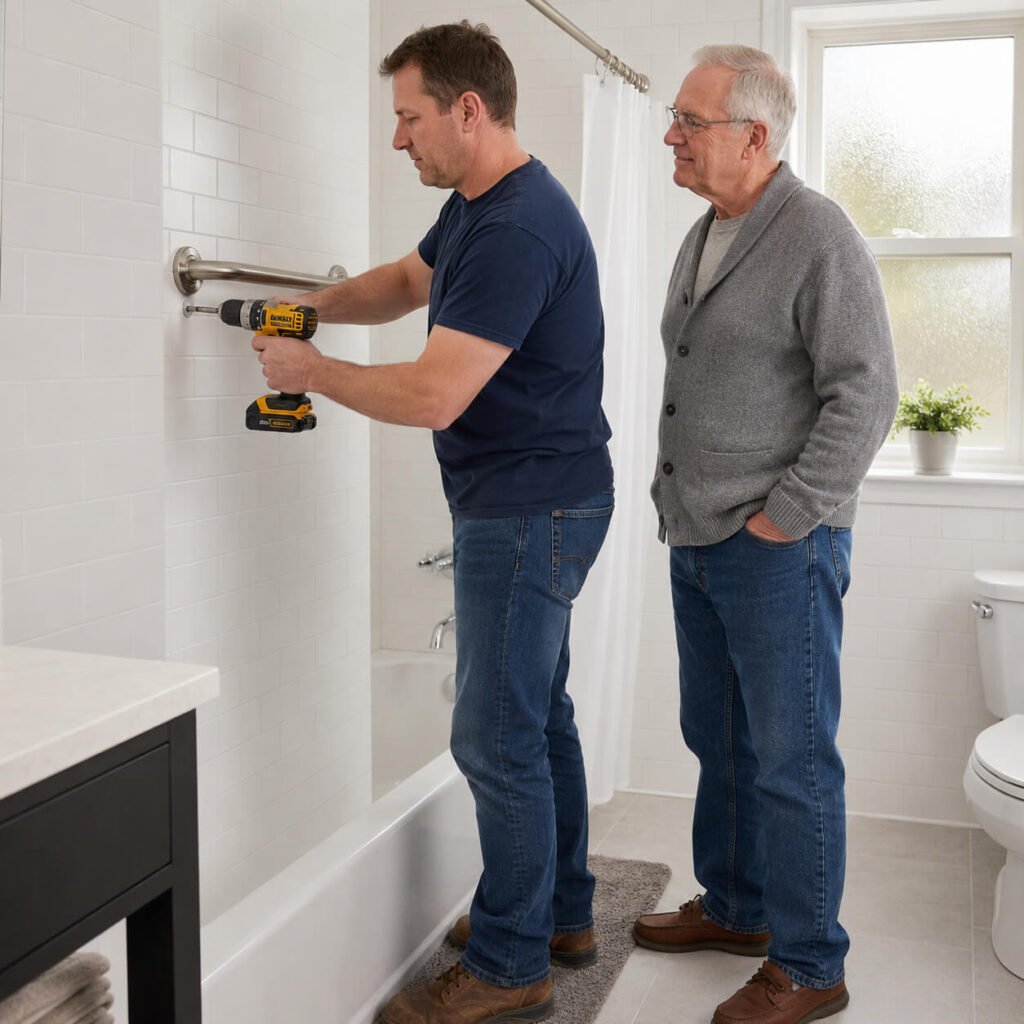
Anchor every grab bar into a wall stud. The single most common installation error is mounting a grab bar with the drywall anchors that come in the box. Drywall alone will not hold an adult’s body weight in a fall. Use a stud finder to locate the framing, mark the stud, and drill the bar directly into it with three-inch wood screws. If a stud is not in the right location, use Moen’s SecureMount system or a heavy-duty toggle bolt rated for at least 250 pounds. Once installed, the bar should not move even slightly when an adult pulls on it with full body weight.
Press the bath mat onto a clean, dry tub. Suction cup mats only work on smooth, clean surfaces, and any soap film, hard water residue, or hairline texture will compromise the seal. Wipe the tub down with a household cleaner, rinse thoroughly, and dry the surface completely before laying the mat. Press firmly along the full length with the heel of one hand to seat every row of suction cups. Re-press the mat every two weeks, because humidity changes loosen the seal gradually even on a perfect install.
Place motion lights along the actual walking path. Motion sensor lights are most effective at roughly twelve to eighteen inches from the floor. Lights mounted too high illuminate the ceiling but leave the floor in shadow. Test each light by walking the actual nighttime path in the dark and confirm every step is illuminated before the foot lands. Adjust angles until the path is continuous, with no dark gaps between lights.
Adjust the bedside assist rail to the senior’s height. A handle that is too short forces the senior to bend forward and lose balance during the stand; one that is too tall removes leverage. The top of the handle should sit between the user’s hip and lower-rib level when standing beside the bed. The Stander BedCane adjusts for height — take the few minutes to dial it in for the actual user. Then test the rail with a caregiver present for the first several uses to build confidence and surface installation problems before a real middle-of-the-night transition.
Set up the medical alert before there is a reason to use it. Program the emergency contacts on the day the unit arrives, not later. Test the pendant and wrist button from each room to confirm the range covers the living space. Explain to the senior that the pendant stays on through showering, sleeping, and exercise — the only times it comes off are when it is being charged. A medical alert sitting in a drawer because the senior “does not want to bother anyone” is the most common reason these systems fail when they are needed.
Lifestyle Synergy: Making the Home Safety Starter Kit Work Day to Day
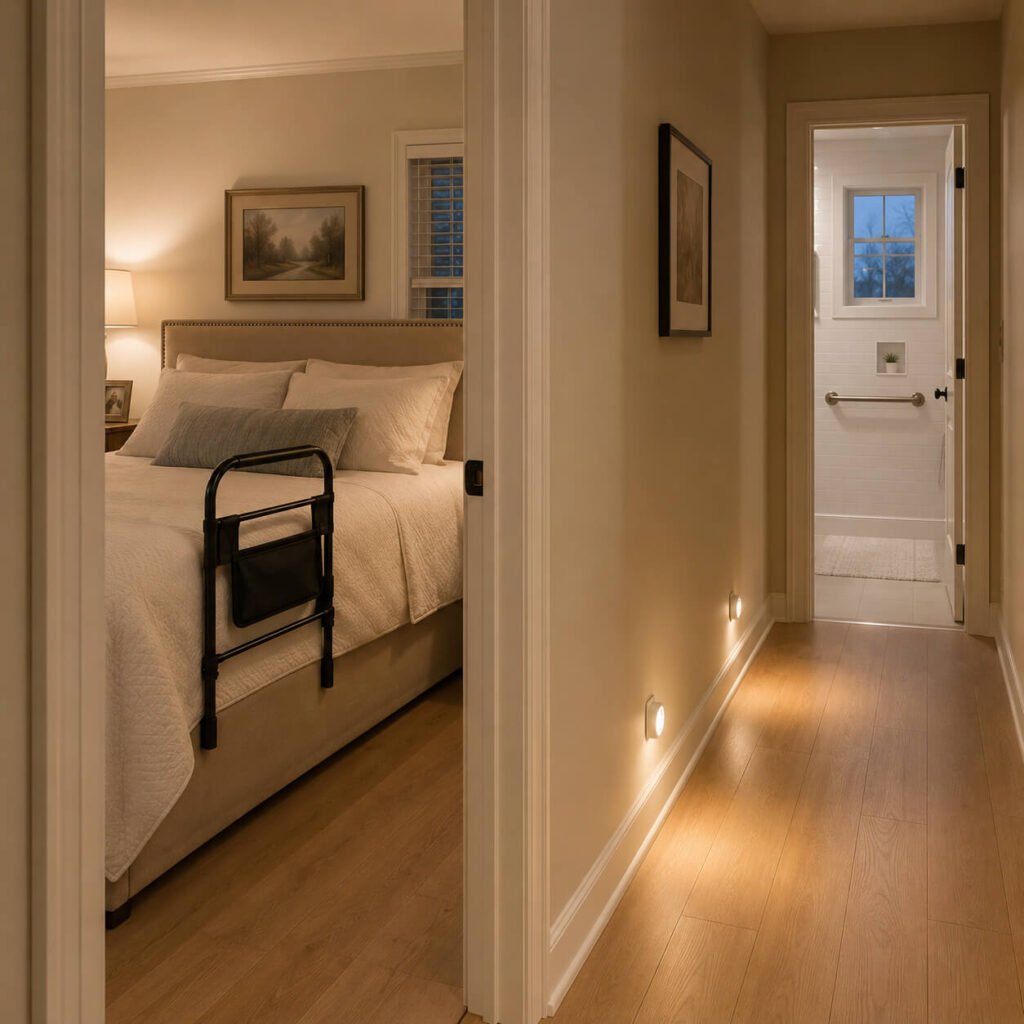
A home safety starter kit for seniors works best when the six products are installed as a coordinated path through the home, not as six unrelated upgrades. The most important path is from the bed to the bathroom at night, because that is where the most serious senior falls happen. Pair the bedside rail with two or three motion sensor lights along the floor between the bed and the bathroom door, and finish with a grab bar mounted vertically beside the toilet. The senior should be able to make the trip without ever flipping a switch or walking through a dark stretch.
The bathroom path deserves its own design pass. The grab bar by the tub, the non-slip mat inside the tub, and a second grab bar by the toilet form a triangle of stable handholds. The medical alert pendant is worn in the shower so help can be summoned even from inside the tub. Our guide on why seniors fall at night walks through the specific nighttime patterns — orthostatic blood pressure drops, half-asleep navigation errors, low light — that this layout is built to prevent.
The kitchen and living room get a different kind of attention. These are not high-fall zones the way the bathroom and bedroom are, but they are where the senior climbs on chairs to reach upper shelves and bends into low cabinets. A reacher kept on the counter or clipped to the refrigerator removes the climbing motion entirely. The same tool works in the laundry area to lift wet clothes out of a front-loader without the deep forward bend.
The medical alert pendant works only if it is worn consistently. The simplest rule is that it goes on when the senior gets out of bed and comes off only when they get back in. Most seniors resist wearing one at first because they feel it signals helplessness; framing it as an independence tool — the same way reading glasses or a hearing aid are — usually overcomes the resistance within a few weeks.
Physician’s Tips for Long-Term Use of a Home Safety Starter Kit
I tell my patients the goal of a home safety starter kit for seniors is not just to prevent the next fall — it is to keep the senior engaged with their own home for as many years as possible. Each piece supports an activity the senior is already doing, not replacing it. The grab bar lets them keep showering on their own. The bedside rail lets them keep getting out of bed on their own. The reacher lets them keep cooking and tidying. That framing matters because resistant seniors accept independence tools far more readily than they accept “medical equipment.”
I also encourage families to layer the kit with other low-cost upgrades over time. The first month is the right time to add a second grab bar in the bathroom, a second reacher upstairs, and non-slip slippers for anywhere the senior walks barefoot. Adding small mobility aids that prevent falls — a cane, a transfer pole, a sock aid — addresses risks the basic six products do not. Layering the home over six to twelve months lets the family stage the cost and lets the senior adjust to each new tool one at a time.
Finally, check the kit on a recurring schedule. Motion-light batteries need replacement every three months. The bath mat needs to be lifted, rinsed, and re-pressed every two weeks. A caregiver should pull firmly on the grab bar once a month and test the medical alert pendant from each room every quarter. The kit installed and forgotten is the kit that fails when it is needed most.

Home Safety Starter Kit Comparison (Features & Stability)
Frequently Asked Questions
1. What should a home safety starter kit for seniors include?
A complete kit should include six core items that cover the four highest-risk zones of a typical home. The bathroom needs a wall-mounted grab bar and a non-slip bath mat. The bedroom needs a bedside assist rail to support the lie-to-sit-to-stand motion. The hallway and any nighttime path need motion sensor lights. The kitchen and living room need a reacher so the senior never has to climb on a chair to retrieve high or low items. And every kit must include a medical alert pendant for the moment after a fall has already happened.
2. How much does a senior home safety kit cost?
A complete kit typically runs between four hundred and eight hundred dollars depending on the products selected. Grab bars, bath mats, motion sensor lights, and reachers are relatively inexpensive, while bedside assist rails and medical alert systems account for most of the cost. A kit built around a cellular medical alert with fall detection may cost more upfront, but it can provide protection without requiring a landline or ongoing monthly fees. Even at the higher end of the range, a complete home safety kit costs far less than the medical expenses associated with a serious fall.
3. Can I install a home safety kit without a contractor?
Yes, in most cases. The grab bar is the only item that typically requires tools and secure mounting into a wall stud. The bath mat, motion sensor lights, reacher, bedside assist rail, and most modern medical alert systems can be set up without professional installation. Many families complete the entire project in a single afternoon. A contractor or handyman may be helpful when installing grab bars on tile, stone, or other surfaces that require specialized drilling.
4. Does Medicare cover home safety products for seniors?
Original Medicare Part B generally does not cover grab bars, bath mats, reachers, motion sensor lights, or bedside assist rails — these are classified as home modifications rather than durable medical equipment. Some Medicare Advantage plans offer an annual over-the-counter benefit that can be applied to safety products, so check the specific plan. Medicaid waiver programs, VA Home Improvements and Structural Alterations grants for eligible veterans, and certain long-term-care insurance policies do cover these items. Contact the senior’s plan before purchasing if reimbursement matters.
5. Which room should I make safer first?
Start with the bathroom. Roughly four in ten home falls in seniors happen in or near the bathroom, and the combination of wet surfaces, hard floors, low light, and the seated-to-standing motion makes it the highest-risk room. A grab bar beside the tub and a non-slip bath mat inside the tub address the most documented patterns. The bedroom is the second priority because of overnight bathroom trips, when leg strength is at its lowest. Install the bedside assist rail and run motion sensor lights along the path to the bathroom door. The rest of the kit can be installed in the following days.
Final Thoughts on the Home Safety Starter Kit for Seniors
A home safety starter kit for seniors is not a substitute for medical care, physical therapy, or the slow daily work of maintaining strength and balance. It is the environmental layer underneath all of those efforts — the layer that prevents an ordinary moment of fatigue, dim light, or wet feet from turning into a hospitalization. The six products in this guide target the documented high-risk zones of a typical senior home, install in a single afternoon, and continue working for years with simple maintenance.
The right time to install is the moment a family member first notices the senior hesitating in the bathroom, reaching for the wall on the way down the hall, or sitting on the edge of the bed before standing. That hesitation is the warning sign, and the starter kit is the response. Whether you start with the bathroom, the bedroom, or the medical alert pendant, every piece installed today is a fall that does not happen tomorrow — and another year the senior stays in the home they want to be in.
Medical Disclaimer: This guide is for general educational purposes only and is not intended to serve as personalized medical advice. Always consult a qualified healthcare professional before making changes to medical equipment or care plans.
Last update on 2026-09-15 / Affiliate links / Images from Amazon Product Advertising API
